Today, there are many types of doors for home available, but choosing the right one is not always simple. Each door works differently and is made from different materials. Some are better for saving space, while others are more suitable for strength, long-term use, or specific areas of the home.
If you understand these differences, it becomes easier to choose the right option. In this guide, you will learn about how different door types function, what materials they are made from, and how to select the right one based on your space and daily needs.
Types of doors for homes on How They Open
The way a door opens, or the door styles for homes, affect how much space it needs. Some doors require clear floor space to swing, while others are designed to save space or create wider openings. So, if you understand the type will help to you choose a door that fits your layout without causing movement issues.
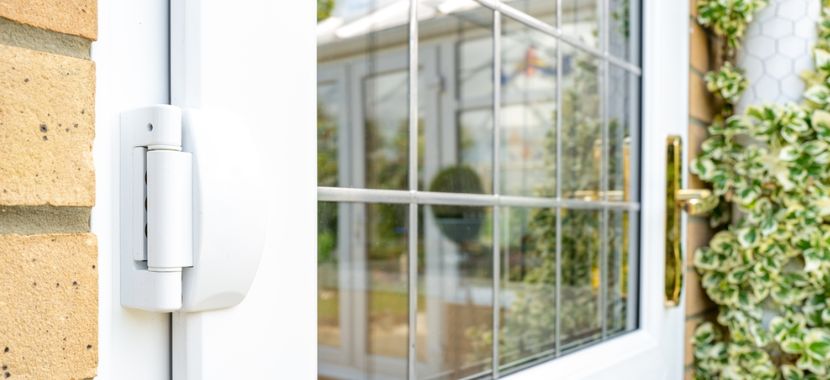
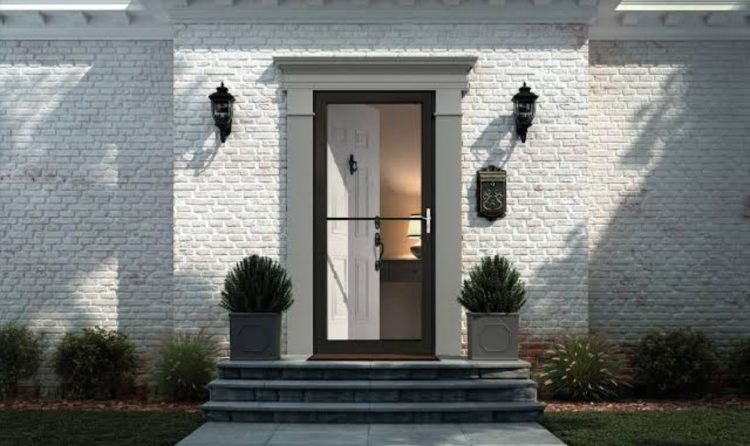
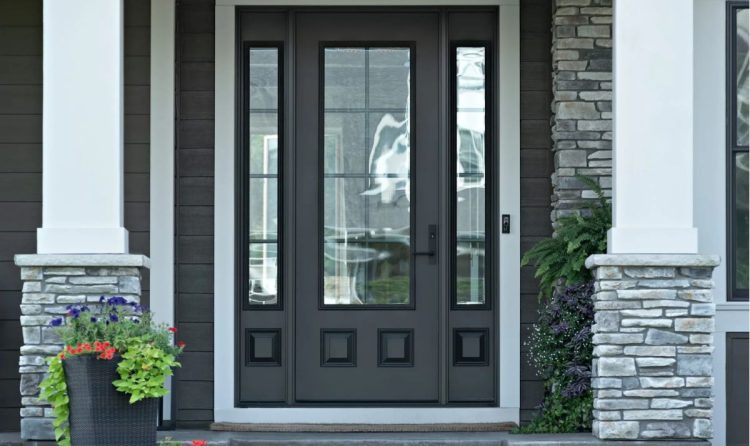
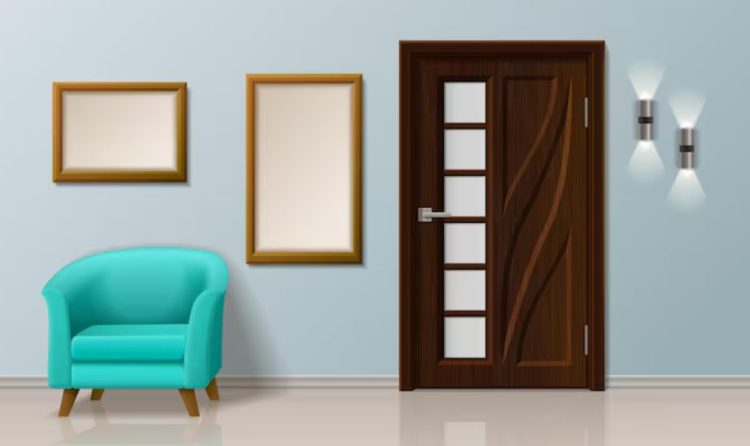
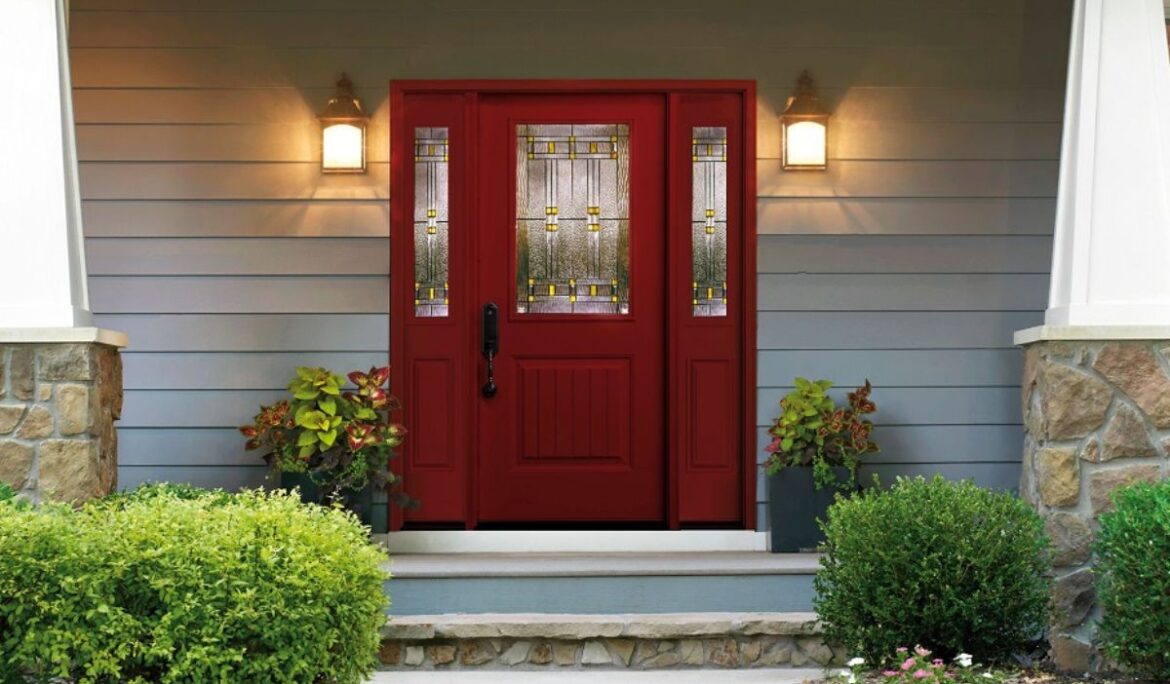
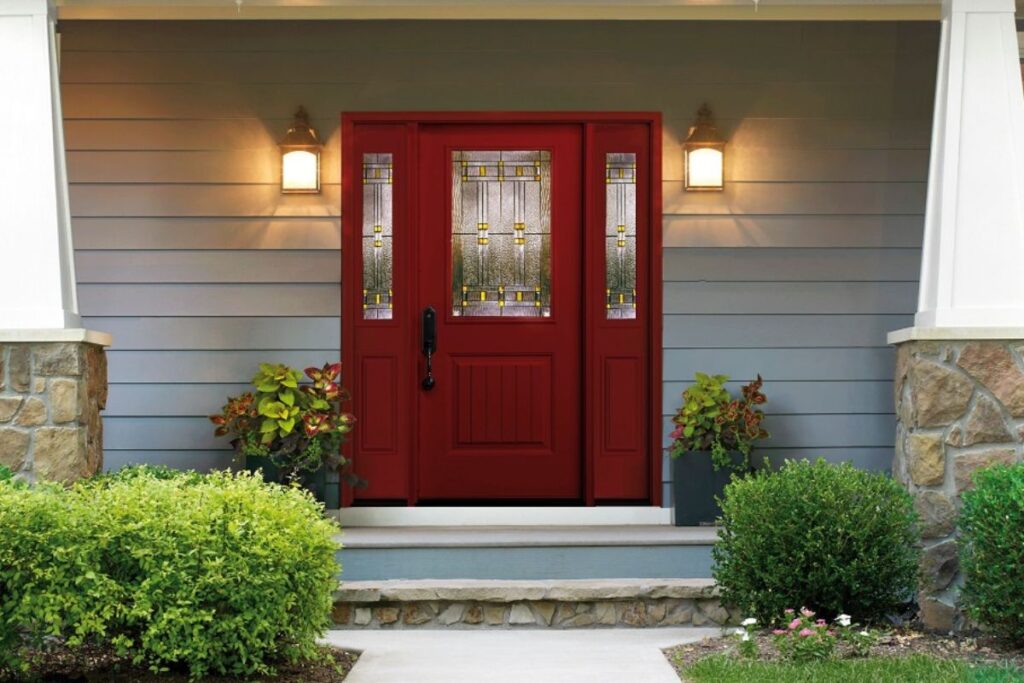
- Hinged Doors: Hinged doors are one of the best doors for the home. They are one of the most common door styles for homes because they are simple, strong, and easy to use. You will often see them in bedrooms, bathrooms, and front entryways. They work best in spaces where there is enough room for the door to swing open fully.
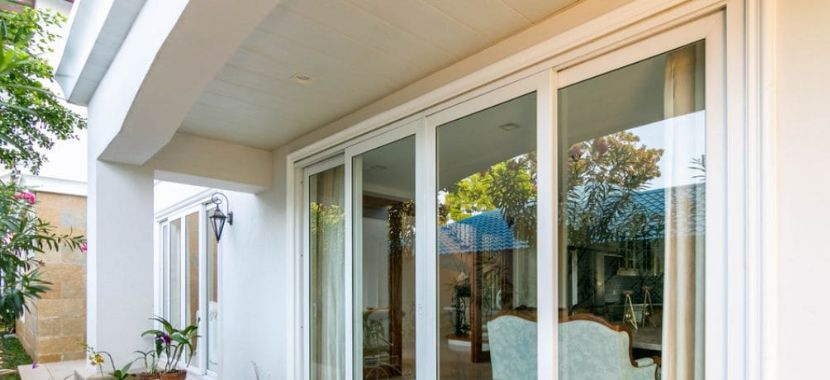
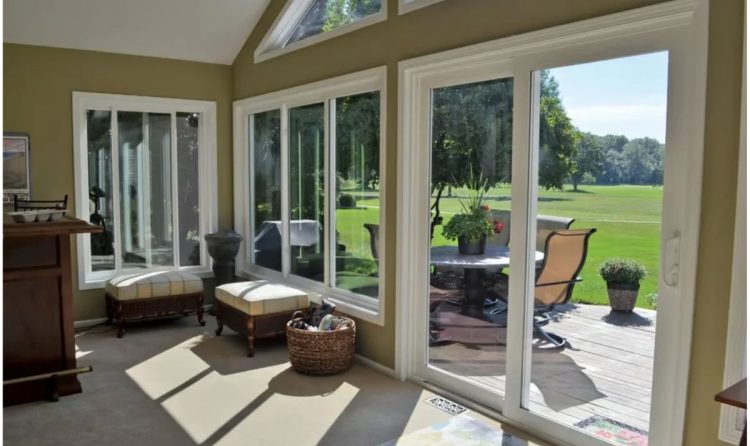
- Sliding Doors: Sliding doors are an ideal option for limited spaces. They slide on a track instead of opening inward or outward, which is why they work well for patios, balconies, and rooms facing outdoor spaces. Many homeowners choose them because they save space and allow more natural light inside. If you want to use a sliding screen door in your home, you should also know how to measure for a sliding screen door, as it will help you plan the space more accurately.
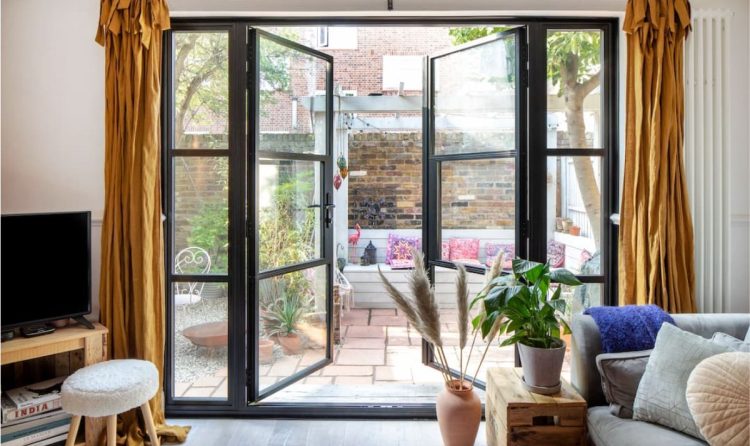
- Bi-Fold Doors: The panels in a bi-fold door are all linked and fold to one side when the door is opened. They are often used for closets, laundry areas, and wide openings to patios or gardens. People use them when they need a wider opening but don’t have enough floor room for a full swing door.
- Pivot Doors: Pivot doors are a good choice if you want a modern front door with a wider look. Unlike regular doors, they turn on points fixed at the top and bottom instead of side hinges. This makes them suitable for large and heavy doors, but they need proper fitting and enough space to open smoothly.
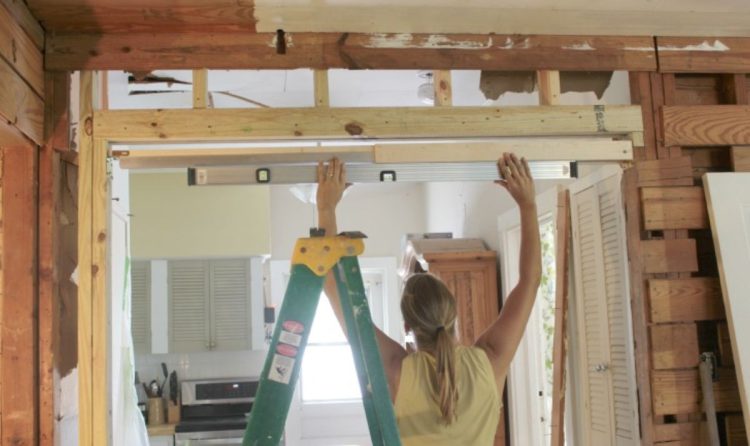
- Pocket Doors: A small room can benefit from pocket doors, as they help you save space. They work well in bathrooms, closets, and other tight areas. Because the track is hidden inside the wall, it can be harder to fix even small problems. This is why many people learn how to replace a pocket door step by step. This simple step-by-step guide will help you learn everything you need to know about pocket doors.
Types of Doors Based on Material
The material of a door affects how strong it is, how long it lasts, and how much maintenance it needs. It also helps you choose what fits your budget and daily use. Some materials are better for indoor use, while others are designed to handle moisture, weather, or heavy daily use. To make the choice easier, let’s understand the most common door materials and where each one works best in the home:
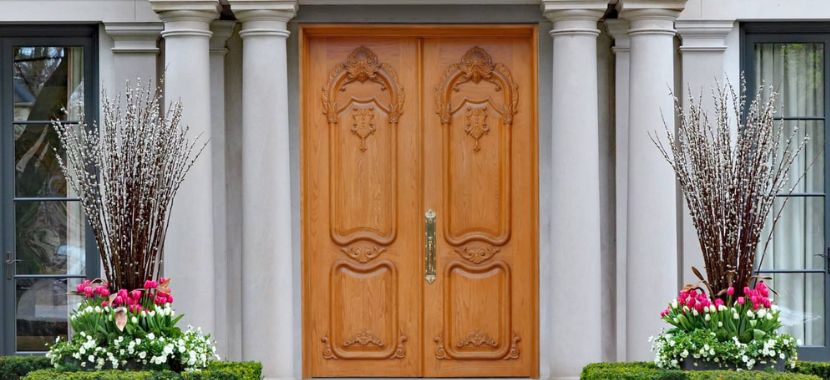
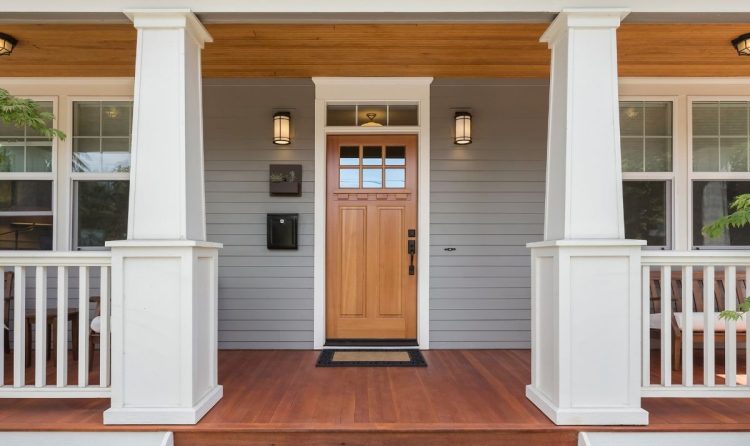
- Wooden Doors: Wooden doors are a common choice for homes because they suit both classic and modern designs. They are often used for bedrooms, living rooms, and main entrances. However, they need regular care because changes in moisture and temperature can affect the wood.
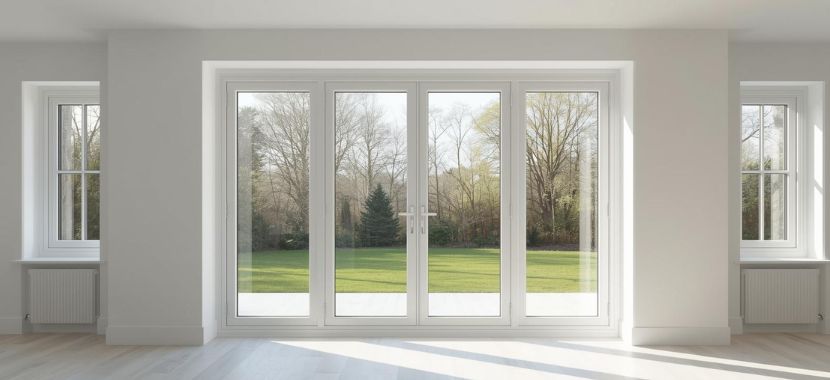
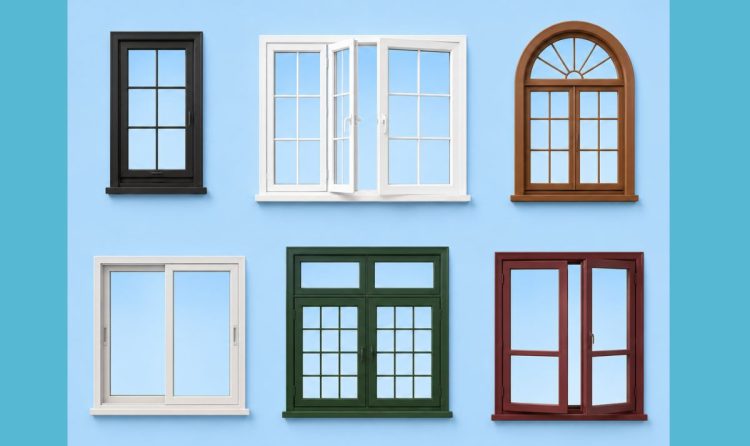
- uPVC Doors: uPVC doors do not need as much maintenance as many other door materials. They handle moisture well and do not rust, rot, or attract termites, which makes them a practical choice for bathrooms, balconies, and other exposed areas. They also do not need regular painting or polishing, so they are easier to maintain over time.
- Aluminum Doors: Aluminum doors are a practical choice if you want a door that is strong, light, and easy to maintain. They are often used in modern homes because they do not rust easily and perform well in outdoor areas. Their slim frames also make them a good fit for large glass panels and sliding door systems.
- Glass Doors: Glass doors are a practical choice when you want more natural light and a more open view. They are often used for patios, balconies, and room dividers because they make spaces feel brighter and less closed in. For safety in daily use, most homes use toughened or tempered glass instead of ordinary glass.
- Steel Doors: Steel doors are strong, durable, and not easily damaged in daily use. That’s why people use it for security at the main entrance. They also don’t need as much maintenance as wooden doors, and the weather won’t change their shape as much.
Tips on How to Choose the Right Type of Door
After looking at how doors open and what they are made from, the next step is to decide which one will work best in your home. A door should not only look right, but also suit the way you use the space every day. Here are a few key points to keep in mind before you choose:
- Space availability: It matters because not every door works well in every layout. Some doors need room to swing open, while others are better for tighter areas. If you look at your available space first, it becomes easier to narrow down the best option for your home.
- Security needs: For entry doors, you should choose a strong door material that supports a secure locking system.
- Maintenance: Some doors need regular care, so it is better to choose one that fits the level of upkeep you can manage.
- Design: The door should suit the overall style of your home and the room where it will be used. In many cases, the final look also depends on the frame and finish around it, which is why some homeowners also look at how to replace door trim when updating a door.
- Budget: It is smart to look at both the buying cost and the maintenance cost over time.
Final Thoughts
What we learn from this guide is that the right choice among the different types of doors for home depends on how much space you have, how the door will be used, and how much maintenance you can manage. When you look at these points together, it becomes easier to choose a door that works well and lasts longer.
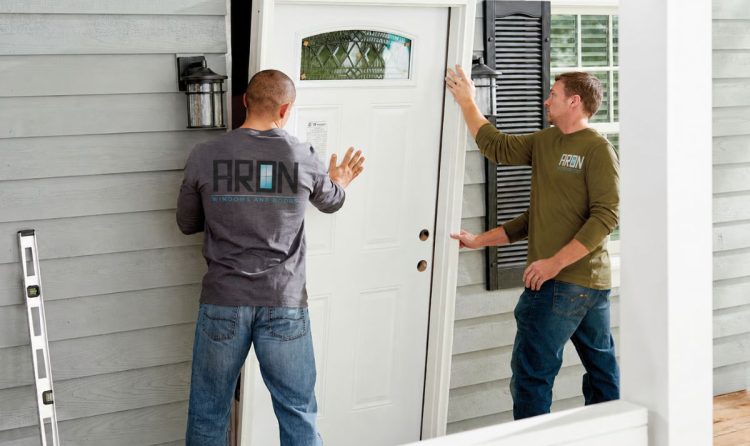
So, are you unsure about choosing the right door that matches your home’s style, space, and security needs? Aron Windows and Doors provides professional door installation, repair, and replacement services for homes in New York City. Get in touch today for expert guidance and a free quote.