
A window that used to open smoothly, or a room that suddenly feels colder than it should, can be easy to ignore. But with the seasonal window maintenance tips, you can catch those problems early, one season at a time, before they turn into a bigger repair. So here’s what to check throughout the year, plus how to tell when a problem has gone beyond what maintenance alone can fix.

Seasonal Window Maintenance Tips for Every Time of Year
Windows need different care depending on the time of year because your windows face different problems as the seasons change, so regular care throughout the year can save you from bigger repairs later. Here’s what actually matters in each one:
Spring Window Maintenance
Spring is when winter’s damage finally shows itself. Cold weather, moisture, and dirt can affect the glass, frames, seals, and caulking. Taking care of these small issues before summer heat makes it worse.
- Clean the Glass and Frames: Winter leaves behind a layer of grime, pollen, and salt residue that regular rain will not fully wash away. A simple wash with soapy water clears the glass and frames, so the rest of the season’s maintenance starts on a clean surface.
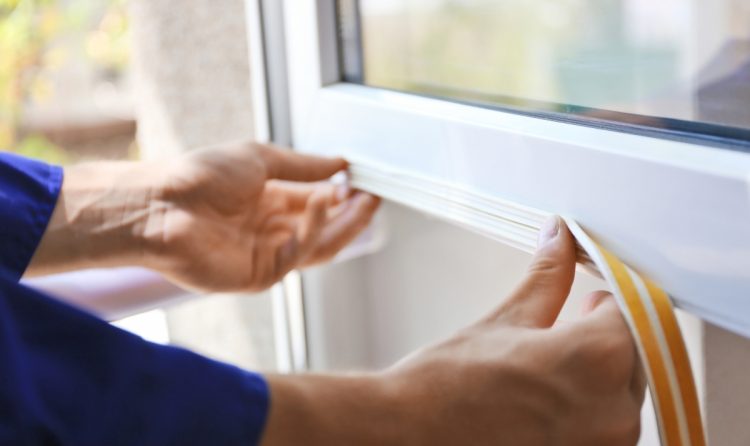
- Check the Caulking and Weatherstripping: Cold weather causes caulk to crack and weatherstripping to compress over time, so small gaps often show up around the frame after a hard winter. Fixing these areas early can help keep spring rain outside and reduce unwanted drafts.
Summer Window Maintenance
Summer heat, strong sunlight, and frequent use can put extra stress on your windows. A few simple maintenance steps can help keep them working properly and protect your home during the hottest months.
- Protect Against Heat and Sun Damage: Strong summer sunlight can fade floors, furniture, and curtains. It can also make your AC work harder to keep the room cool. Close blinds or curtains during the hottest part of the day, especially on south-facing windows. You can also use UV-blocking window film to reduce heat and sun damage.
- Clean the Tracks and Screens: You often open windows more in summer, so dirt and dust can quickly build up in the tracks. Clearing out dirt and checking for tears keeps bugs out and keeps the window sliding smoothly.
Fall Window Maintenance
Fall is the best time to get your windows ready for colder weather.
- Add or Replace Weatherstripping: Worn weatherstripping is one of the biggest reasons heating bills climb once the cold arrives, since damaged weatherstripping lets warm air escape and cold air come in. Replacing it before winter costs far less than paying for the heat that leaks out all season.
- Test the Locks and Latches: Make sure every window closes tightly, and the locks work properly. Even a small gap can let cold air inside and reduce energy efficiency. Also check for painted-shut or stuck windows so they can open easily when needed.
Winter Window Maintenance
Winter is when small problems from earlier in the year start to actually cost you comfort.
- Watch for Condensation Between the Panes: Fog or moisture trapped between double- or triple-glazed panes usually points to a broken seal rather than a cleaning problem. Cleaning the glass will not solve the problem because the moisture is inside the panes. A failed seal can also reduce the window’s insulation and energy efficiency.
If you catch the problem early, our DIY window seal repair guide explains how to handle small seal issues at home. But if the glass is heavily fogged or moisture is trapped between the panes, the window glass may need to be replaced.
- Feel for Drafts Around the Frame: Run your hand around the window frame on a cold or windy day to check for drafts. Small gaps may be hard to see but can still let cold air inside. Sealing these areas can help keep rooms warmer and reduce the amount of work your heating system has to do.
Signs It’s Time to Repair or Replace Your Windows
Regular maintenance solves most problems, but some issues go beyond what cleaning or resealing can fix. Here’s how to tell the difference:
- Water Stains or Discoloration Around the Frame: Water stains on the wall, trim, or window frame can be a sign that moisture is getting inside. If the stain keeps coming back after painting or cleaning, there may be a leak around the window. Fixing it early can help prevent more damage to the frame and surrounding walls.
- Soft or Rotting Frame Material: Pressing a finger into the frame and feeling it give, or noticing paint that keeps peeling no matter how often it gets touched up, points to rot setting in underneath. Once a frame reaches that point, sealing or patching it does not restore the support it is supposed to provide.
- More Outside Noise Than Before: If traffic, neighbors, or outdoor sounds seem louder than they used to, the window glass or seal may no longer block noise properly. Older single-pane glass in particular does very little to muffle noise compared to a modern dual-pane window.
- Visible Cracks or Chips in the Glass: Cracks or chips in window glass should be repaired as soon as possible. Even a small crack can spread and weaken the entire pane. In the meantime, it also gives moisture and outside air a direct path into the house. At that point, glass replacement is usually the only real fix; patching a crack does not stop it from spreading further.
Final Thoughts
You now know what to watch for through every season, and what separates a simple repair from a full replacement. If any of those signs sound familiar, it’s worth getting a second opinion before the problem gets more expensive to fix.
That’s exactly what we do here at Aron Windows & Doors; we take the time to understand what your windows actually need before recommending anything. Give us a call at (212) 381-6006 whenever you’re ready, no pressure either way.