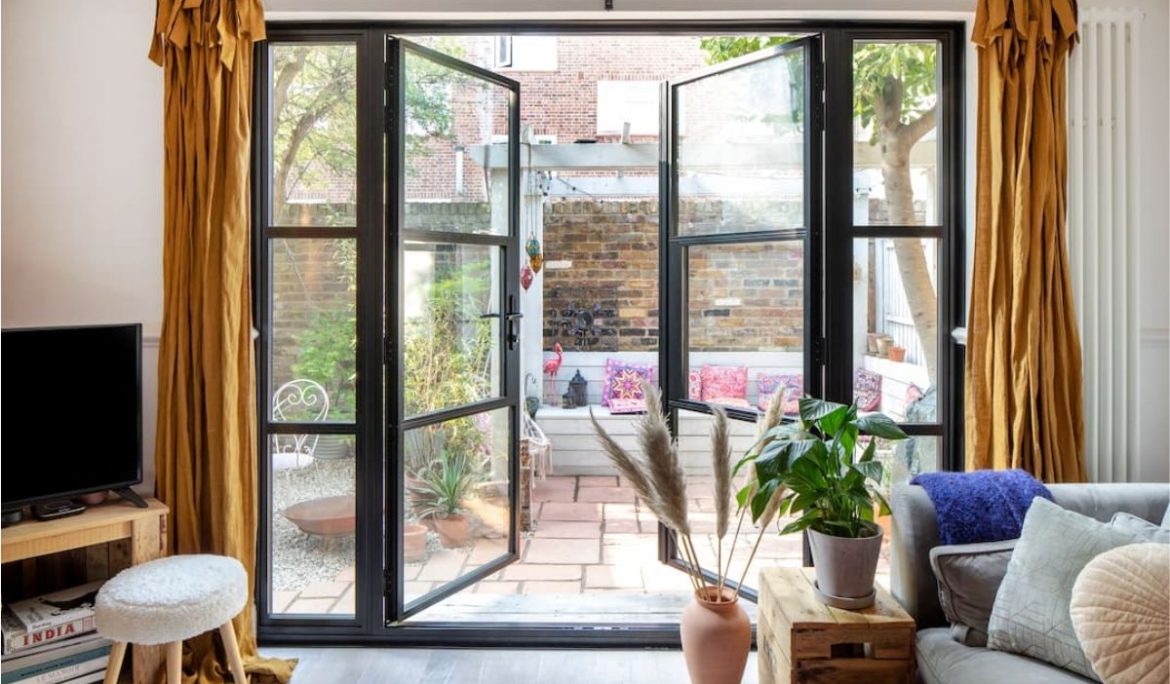
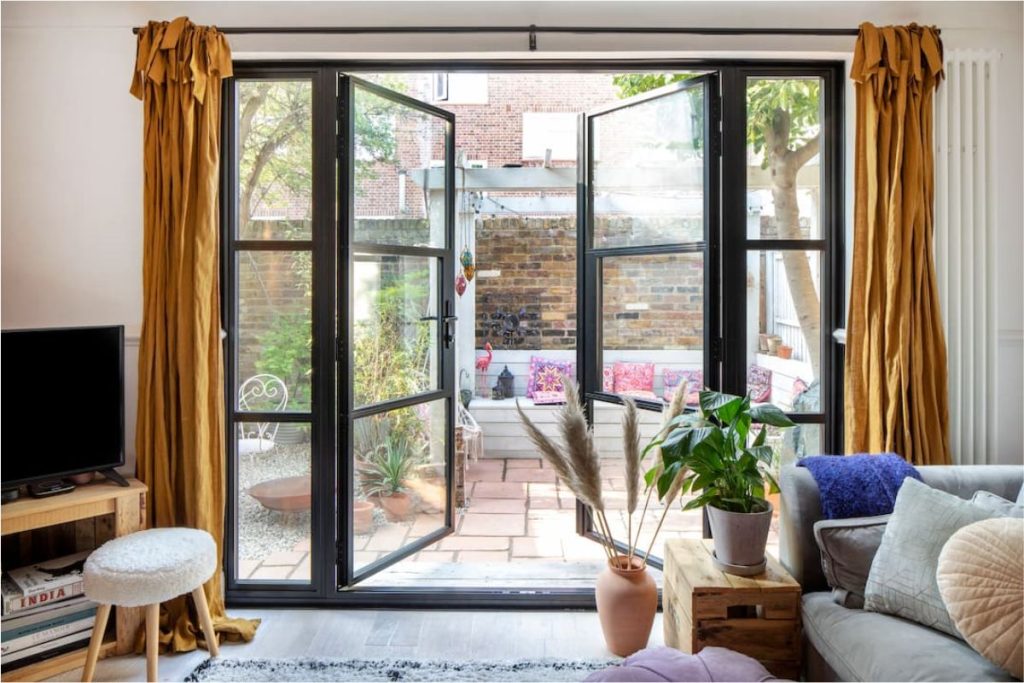
You’ve probably seen French doors before, but what are French doors exactly, and would they work in your own home? Those are great questions, because while these glass doors are known for making a space feel brighter and more open, there’s a bit more to them than good looks.
That’s what this guide is for. We’ll break it all down in plain terms, the different types, their pros and cons, and tips for choosing the right French doors for your space. By the end, you’ll know exactly whether they’re the right fit for your home.
What Are French Doors?
French doors are a pair of doors that open from the middle, with each door swinging out to its own side. What makes them stand out is the glass. Instead of a solid panel, each door is filled with glass panes, often split up by thin strips of wood or metal called muntins. This lets light pass from one room to the next and gives them a classic look.
They can be used both inside and outside the home. You’ll see them made in different materials, like wood, vinyl, and fiberglass. Next, let’s look at the main types you’ll come across.
Types of French Doors
French doors are just one of the many types of doors for your home, and even within the French door family, there are a few styles to choose from. The right one depends on where you want to put them and how much space you have as French doors come in a few different styles. Here are the main types you’ll see:
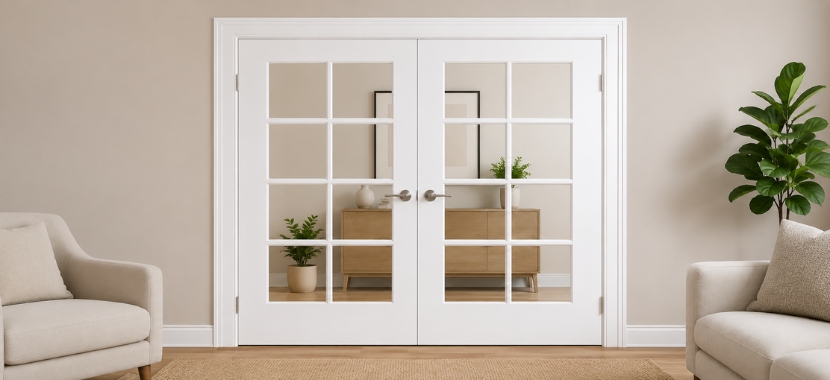
Interior French Doors
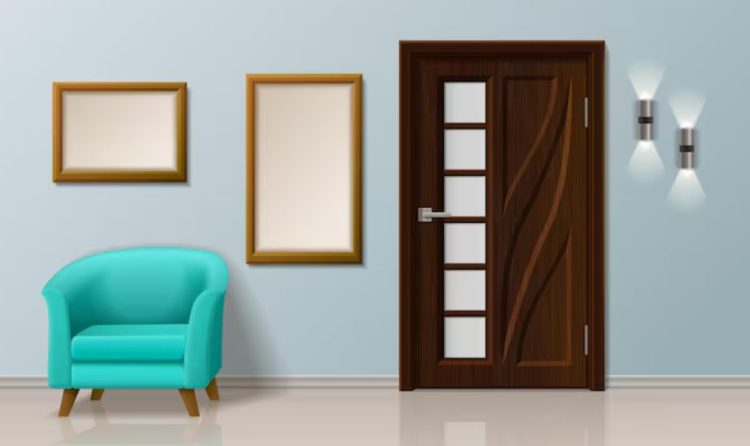
Interior French doors are used inside the home to separate one room from another. Because they’re made mostly of glass, they let light pass between rooms while still giving you a bit of separation. People often use them for home offices, dining rooms, or to close off a living space without making it feel dark.
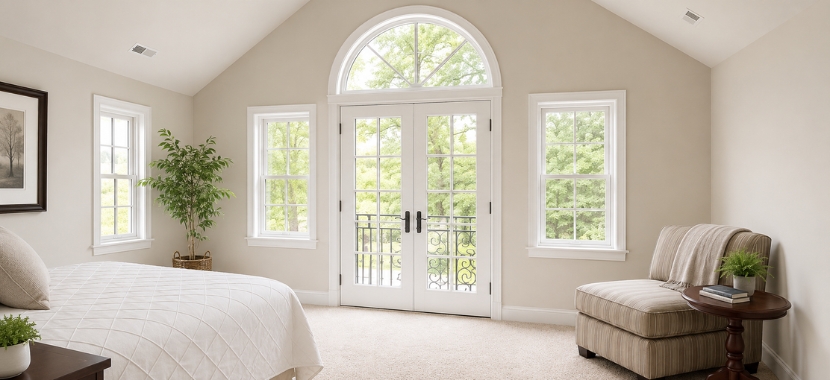
Exterior French Doors
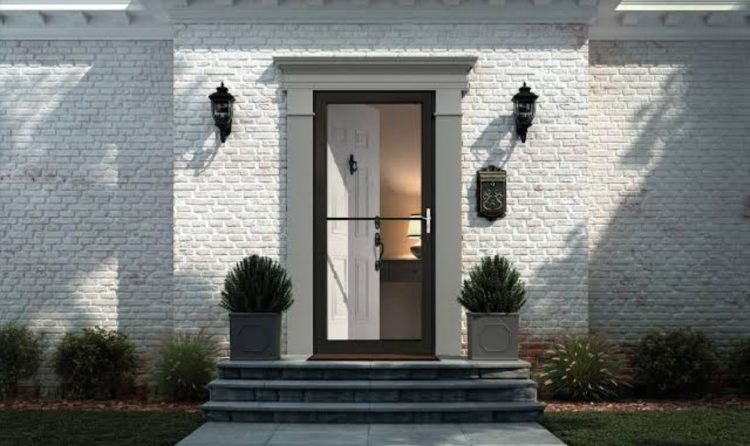
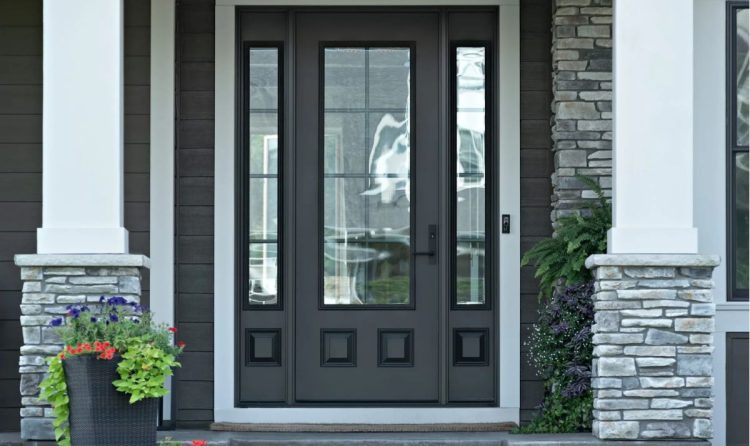
Exterior French doors connect your home to a patio, deck, or backyard, which is why they’re often called patio doors. They’re designed to be tougher because they’re made to handle outdoor conditions. They come with weather sealing and stronger glass to handle rain, wind, and cold, all while keeping your home secure. On a nice day, you can open them wide and let the inside and outside flow together.
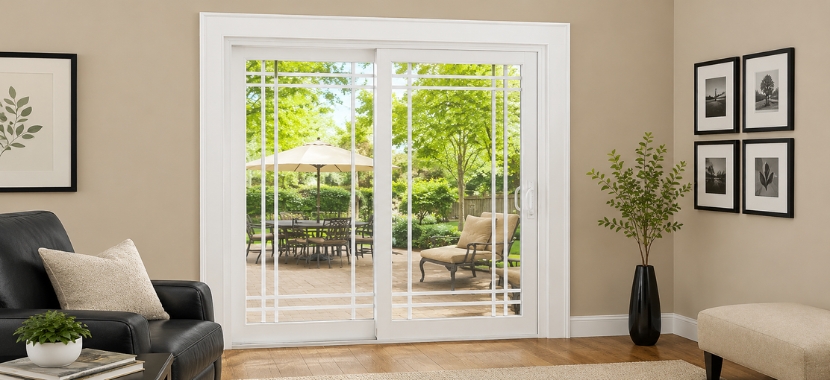
Sliding French Doors
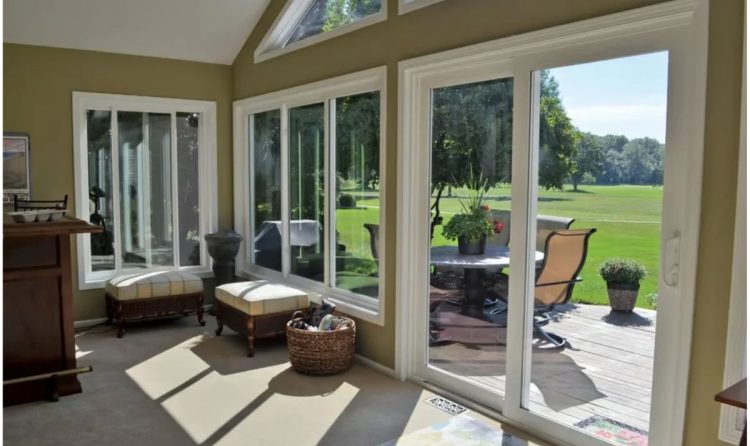
Short on space? This is where sliding French doors come in handy. They don’t swing open like regular doors. Instead of swinging open, the panels glide along a track, so you don’t need to leave any room for a door to swing. This way, you still get the big wall of glass and all the natural light, without losing any floor space. This makes them a great choice for small rooms and narrow hallways.
Pros and Cons of French Doors
Like anything in your home, French doors have their pros and cons. Here’s an honest look at both sides before you decide:
Pros | Cons |
Let in plenty of natural light | It costs more than a regular single door |
Timeless look that can boost home value | Swinging types need room to open |
Open up wide, so it’s easy to move furniture | Not as good at keeping heat in as a solid door |
Make a room feel bigger and brighter | The glass needs cleaning more often |
Tips for Choosing the Right French Doors
Once you know you want French doors, a few smart choices will help you get the right ones for your home. Here’s what to keep in mind:
- Match the type to the location: Interior French doors work well for offices and dining rooms. Exterior French doors are best for patios, while sliding French doors are ideal for small or tight spaces.
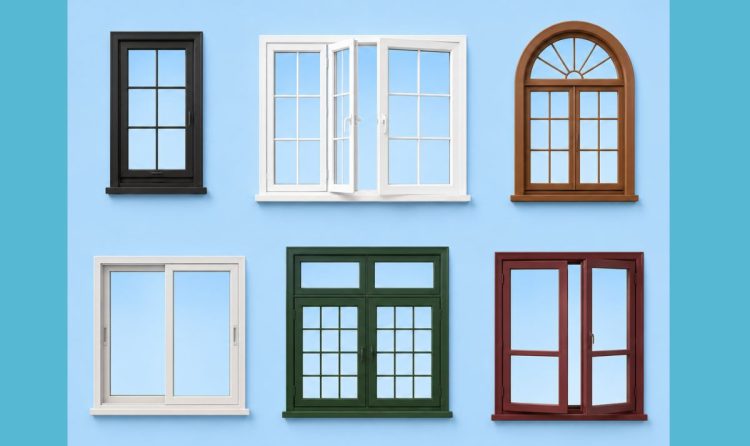
- Pick the right frame material: Wood for classic looks, or vinyl and fiberglass for durability and less upkeep.
- Check the glass: Double-pane, low-E glass keeps energy bills down, and frosted glass adds privacy.
- Don’t skip security: For outside doors, always choose tempered or laminated glass and a multi-point lock.
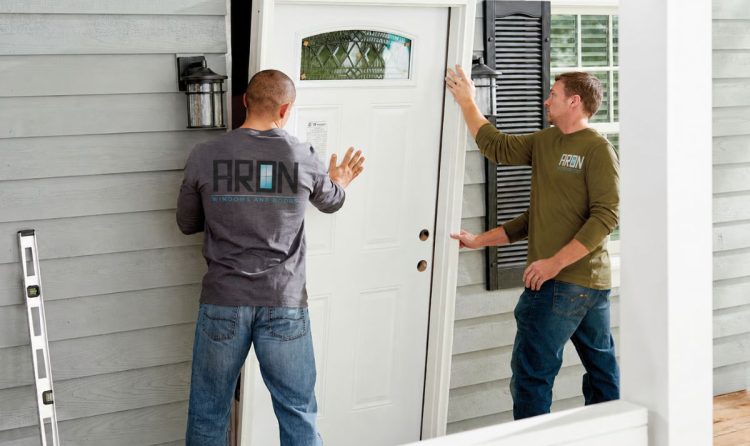
- Get the fit right: Even the best doors fail if installed poorly, so professional installation matters.
The Bottom Line
Now that you know what French doors are, the types, the pros and cons, and some tips for choosing, you’ve got everything you need to decide. French doors offer a simple way to add light, style, and openness to almost any home.
So, if they sound like the right fit for your space, the next step is finding someone local to handle the installation. Aron Windows & Doors has been installing doors across New York City for over 20 years, and you can reach out for a free quote whenever you’re ready.