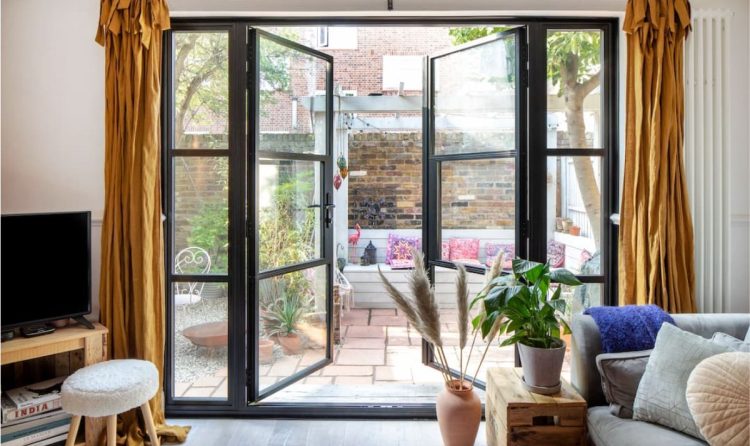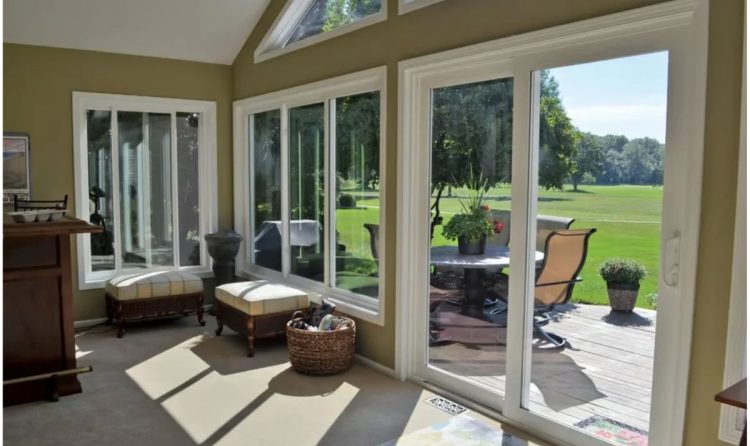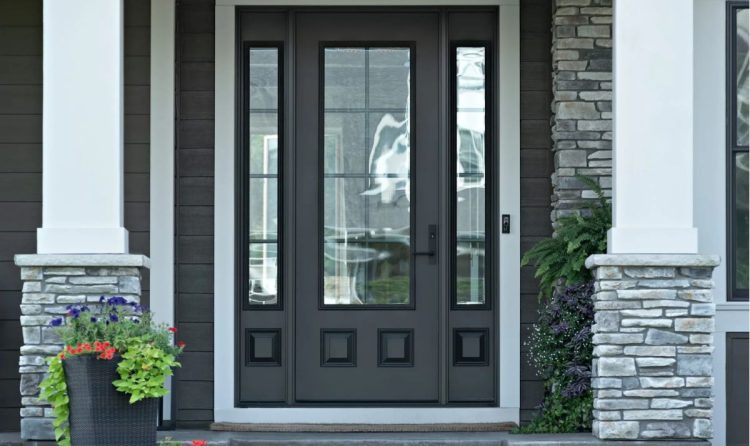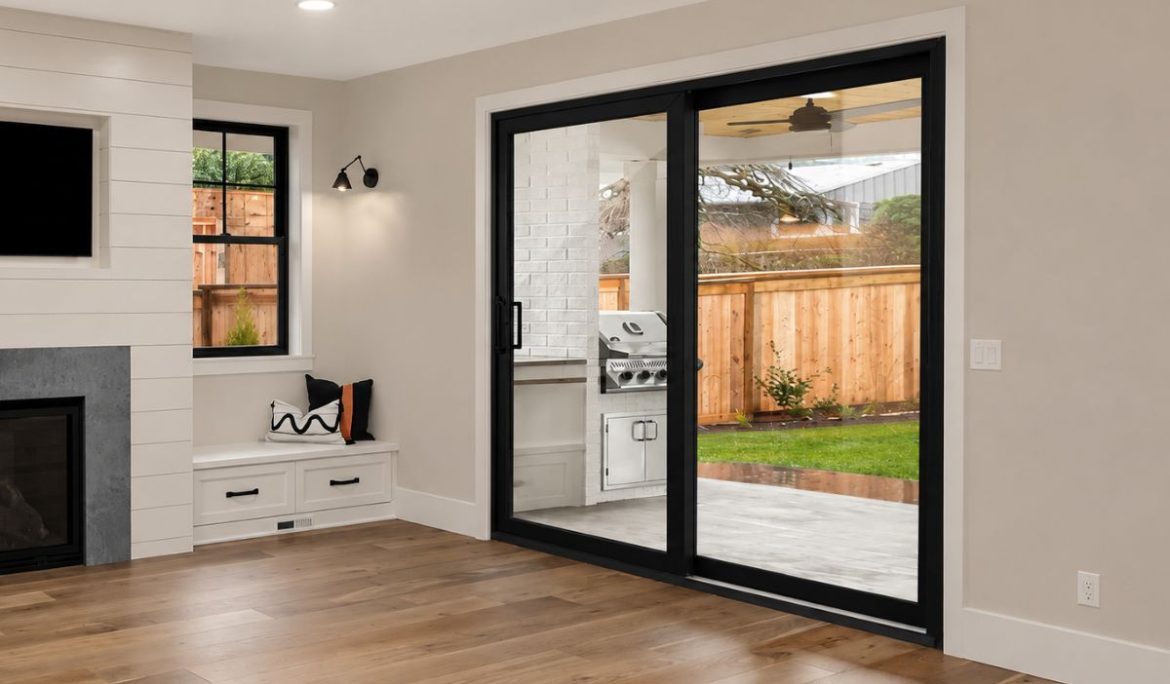
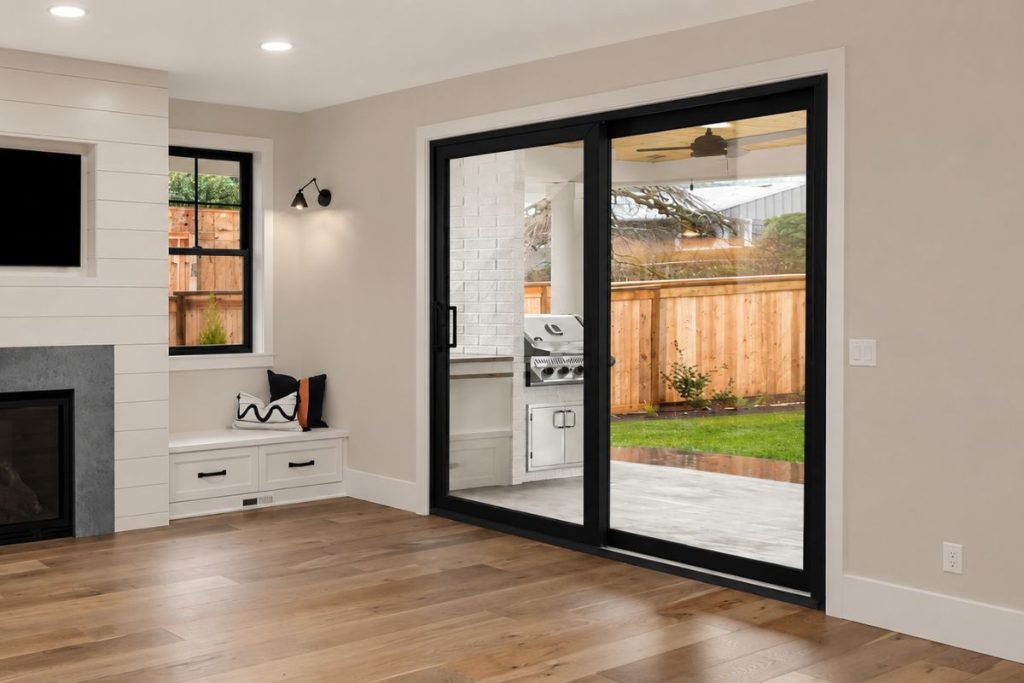
Sliding doors are useful, but they should not be treated as just a nice-looking part of the home. This is because they regularly connect to patios, balconies, decks, or backyards. They are also important entry points. That is why their security deserves the same attention as any door that leads outside. If you want to make your sliding door safer but you are unsure where to start, this guide will show you how to secure sliding doors in a simple way.
In this guide, you will learn why sliding doors need extra security, how to secure them step by step, and which common mistakes you should avoid before you trust the door to protect your home.
Why Sliding Doors Need Extra Security
There are lots of different door options for homes, but sliding doors need extra security because they work a bit differently from regular doors. A front door usually has a strong frame and a deadbolt. While a sliding door depends on its lock, track, rollers, and glass. If the track is dirty or the rollers are worn, the door may not close properly. This can stop the lock from catching the right way. Many sliding doors also come with a simple latch, which may not be strong enough on its own.
To ensure your sliding door operates securely, proper installation is key. One of the first steps in securing your door is making sure it’s measured and fitted correctly. If you’re unsure how to measure your sliding door accurately, learn it first, as it will help ensure a foolproof installation.
How to Secure Sliding Doors
Securing a sliding door becomes easier when you follow the right order. You should not guess where the problem is or add random products without checking the door first. A step-by-step plan can help you figure out what needs attention from you. This simple plan will help you to you choose the right upgrades for your door instead of wasting money. Here are the most practical ways to sliding security screen doors step by step:
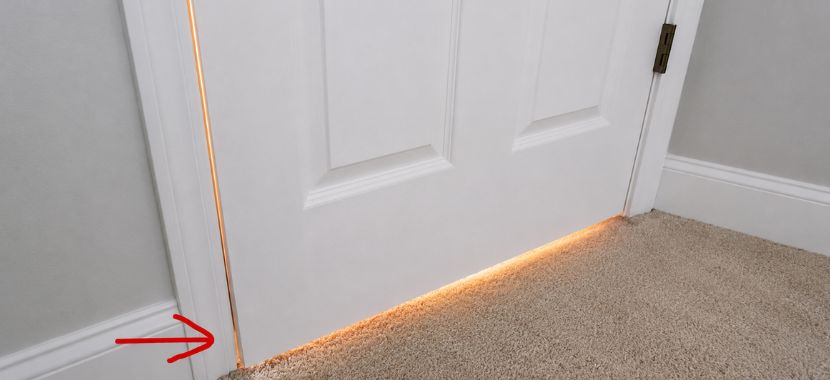
Check the Door Alignment
You can start by looking at how your sliding door sits in the frame. It should close fully and meet the lock without forcing it. Then open and close the door a few times. It should slide smoothly from one side to the other. If it drags, shakes, or leaves a gap near the frame, the door may be out of alignment.
This matters because the lock needs the door to sit in the right position. If the door is not aligned, the lock may not catch properly, even when the door looks closed.
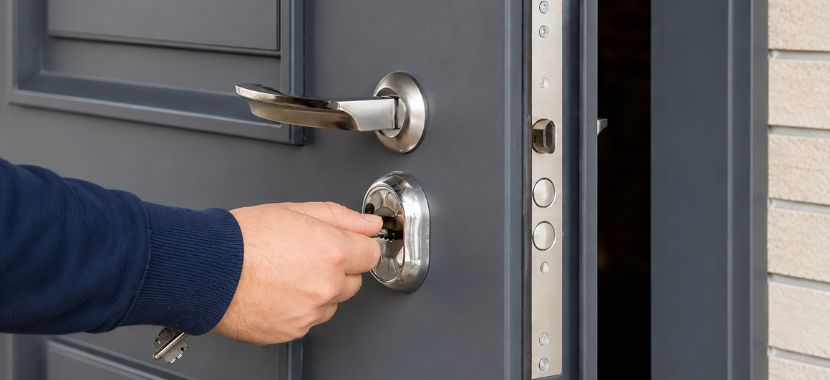
Replace the Main Lock
After you check the alignment, look at the main lock. The lock should feel firm when you close it. It should not feel loose or hard to move. If the lock feels weak, replace it with one made for sliding glass doors. Make sure it fits your door and frame properly. Many sliding doors come with a basic latch. This may work for daily use, but it may not give enough protection on its own.
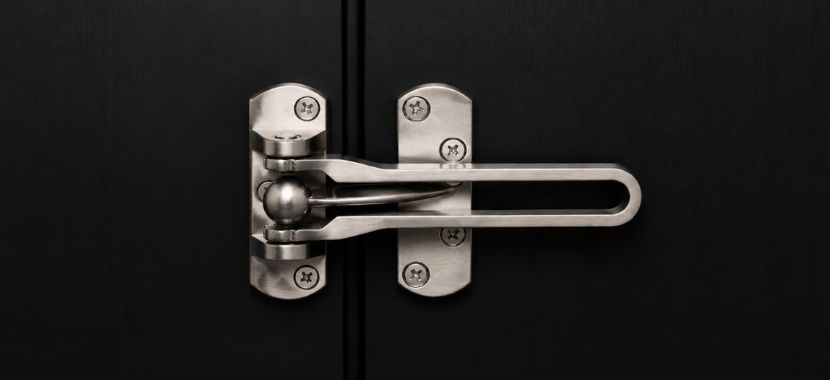
Add a Secondary Lock
Add a secondary lock for extra support. This gives your sliding door another point of protection. You can place a secondary lock near the top or bottom of the door. This helps keep the door more secure if the main lock fails or becomes loose. A secondary lock is also useful for homes with children. A higher lock can make it harder for young kids to open the door on their own.
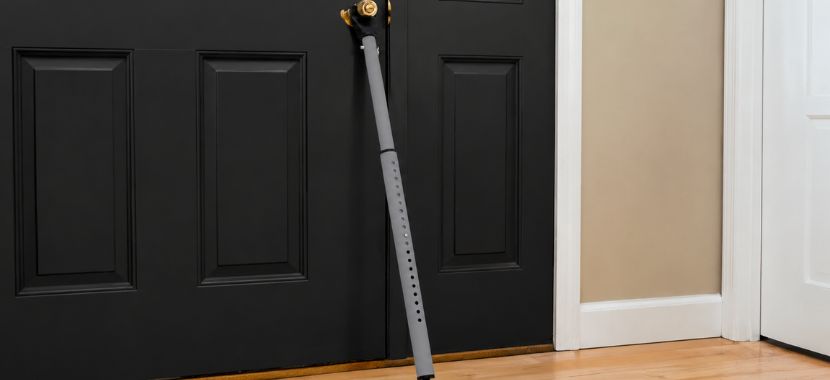
Use a Security Bar
After adding a secondary lock, you can use a security bar for more support. A security bar sits in the sliding door track and helps stop the door from opening. Choose a strong bar that fits tightly in the track. It should not move around or leave too much space. You should always avoid using a loose bar, as it may look useful, but it can shift out of place when pressure is applied.
Install Anti-Lift Protection
A security bar helps prevent the door from sliding open, but it’s also important to check if the door can be lifted out of the track. Some sliding doors can move upward if they do not have proper anti-lift protection. This can be a weak point, even when the door is locked. Anti-lift protection helps keep the door in place. This step is very helpful for sliding glass doors that are older.
Protect the Glass
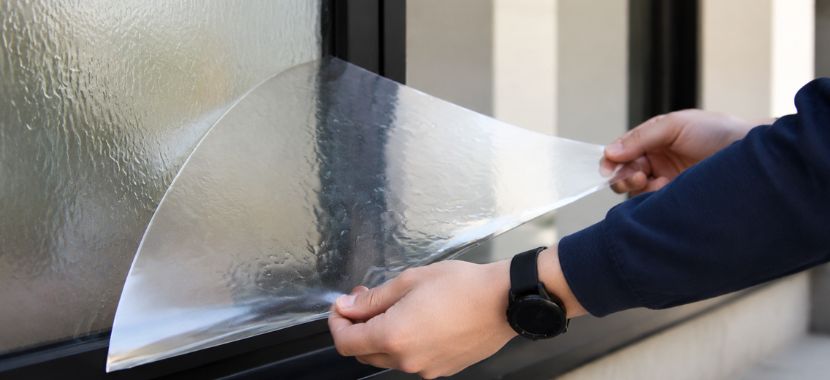
Once the door is secure in the track, check the glass for cracks, chips, or weak spots because door safety can be reduced if the glass is broken. You can also add security film to the glass. It helps to hold the glass together if it cracks or breaks.
Maintain the Track and Rollers
After you check the glass, pay close attention to the track and rollers. These parts help the door slide and close properly. The track can get dirty with dust, dirt, and other small things. Therefore, clean the track with a brush or vacuum. Then open and close the door to see if it moves smoothly. If the door still drags, shakes, or feels heavy, the rollers may be worn. In that case, you may need to repair or replace them.
Add Outdoor Lighting
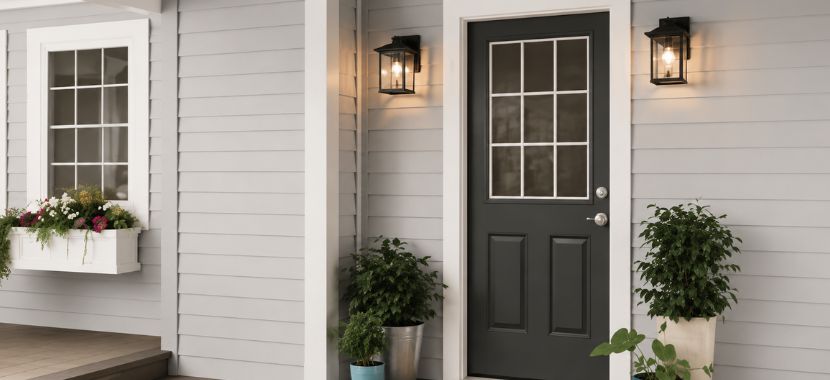
After checking the door itself, look at the area around it. A sliding door is harder to see when the patio, backyard, or side entrance is dark. Motion sensor lights are a good option because they turn on when someone comes near the door. You can also use patio lights or security lights to make the area easier to see at night.
When you do it, please make sure outdoor lights are installed safely. They should use proper wiring and weather-rated fixtures, especially in areas exposed to rain or moisture. Always, a secure door works best when the space around it is secure too.
Common Sliding Door Security Mistakes to Avoid
Securing a sliding door is not only about adding locks or buying extra parts. Also, don’t do anything silly that could make those changes less effective. That is why you should take one final look at the details before you rely on the door for safety. Here are the common sliding door security mistakes you should avoid:
- Relying only on the original lock: Many sliding doors come with a basic latch. It works for daily use, but it should not be your only layer of protection. So, add a secondary lock or security bar for better support.
- Using a loose security bar: A security bar should fit tightly in the track. If it moves around, it will not give steady protection. That’s why choose one that matches your door size and stays firm in place.
- Ignoring cracked glass: Cracked or damaged glass weakens the door and creates a safety risk. Repair or replace damaged glass as soon as you notice it.
- Not fixing poor door alignment: If the door does not sit straight, that means the lock may not catch properly. The door can look closed, but still be less secure.
- Forgetting about outdoor lighting: It is tougher to see through the door at night if the porch, backyard, or side entrance is dark. Motion sensor lights or security lights can make the area easier to watch.
By upgrading to a new model, you can ensure your door is both functional and secure. If you’re thinking of replacing your sliding door, check out our guide on how to replace a sliding screen door. It will help you with the steps for a DIY replacement and secure installation.
Final Thoughts
Now you know how to secure sliding doors with practical steps. You can start with the easiest fixes first and add more protection where your door needs it most.
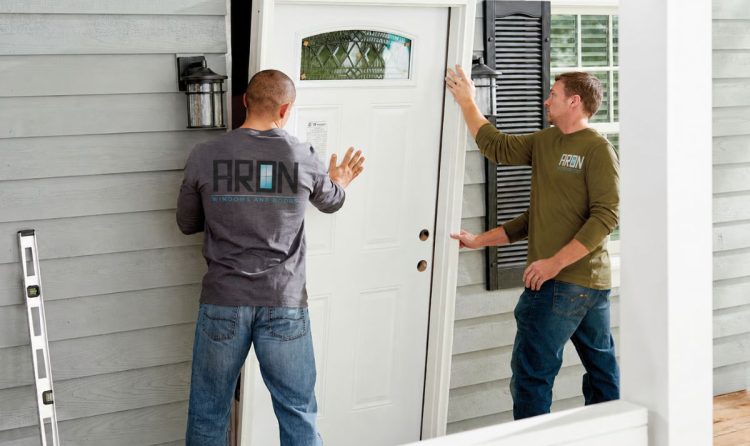
Some fixes are easy to handle on your own, like cleaning the track or using a security bar. But if your door is damaged, hard to close, off track, or needs repair, getting professional help is the better choice. For trusted sliding door repair, door replacement, or window and door support, you can contact Aron Windows and Doors.