If you’re searching for stained glass window designs, you’ve probably seen wildly different styles. One photo looks ornate and traditional. Another looks sleek, modern, and almost minimalist. Both can be right, depending on your home and the look you’re going for. Once you know what to look for, choosing the right design can be pretty easy. Below, you’ll find popular design styles and exactly what to think about before picking one for your space.
Popular Stained Glass Window Design Styles
Stained glass has looked different in every era, and each style carries its own mood. Whether you like clean, modern stained glass window designs or something more traditional, here’s a look at five of the most popular options:

1. Victorian Style
Victorian stained glass is known for its rich colors and detailed patterns. Common patterns include animals, flowers, and geometric shapes, often framed by a deep ruby-red border that ties the whole design together. Beyond the look, this style became popular for a practical reason too, since it added privacy to a home’s entryway without blocking natural light. You’ll often see it in older homes with matching architectural details, where it still makes a strong first impression today.

2. Art Deco Style
Art Deco stained glass became popular in the 1920s and 1930s. It’s easy to spot by its bold lines, geometric shapes, sunburst patterns, and balanced designs. It’s a style that still feels modern today, which is why it pairs so naturally with sleek, contemporary interiors.

3. Geometric & Modern Style
Unlike Art Deco’s vintage glamour, this style is built for today’s homes. It uses clean, straight lines, soft neutral colors, and repeating shapes for a simple look that works well in modern interiors. The result feels fresh and stylish without making the space look too busy. It also plays well with other design choices in the room as the muted colors don’t compete with existing furniture or decor.
4. Floral & Nature-Inspired Style
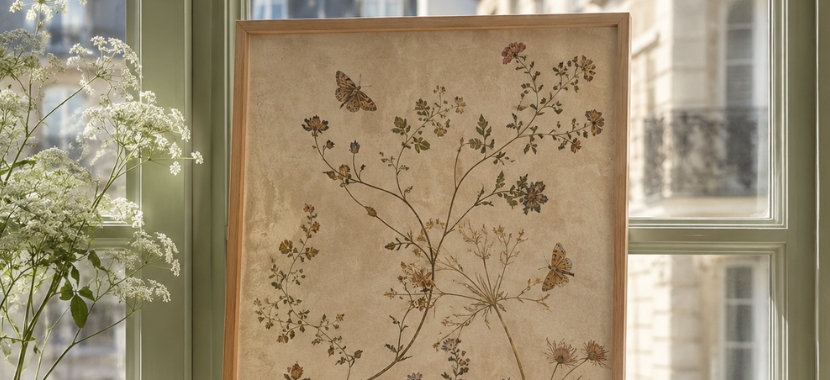
Floral stained glass takes inspiration from nature, using flowers, leaves, vines, and flowing shapes instead of straight lines and symmetry. It often uses a mix of bright colors that give the design a warm, lively feel. This style is a great choice if you want to bring a touch of the outdoors into your home.

5. Abstract Style
Abstract stained glass is all about color and creativity rather than recognizable shapes, using freeform patterns and unexpected color combinations instead. It’s a playful option for anyone who wants their window to feel more like art than a traditional design. It’s also a good choice for privacy, since it lets plenty of light in while making it harder to see clearly through the glass.
How to Choose the Right Design for Your Space
The right stained glass design isn’t just about what looks nice. If you’re figuring out how to design your own stained glass window, where it’s going and what you actually need from it matter just as much.
Privacy Needs
Start by asking how much privacy this window actually needs. If it’s a bathroom, front door, s, front doors, or windows that face the street, floral, geometric, and abstract designs can work really well. Their busier patterns make it harder to see through the glass while still allowing plenty of light in.
Your Home’s Interior Style
Think about the style of the room before choosing a stained glass design. Detailed patterns and bold colors can work well in traditional spaces, while modern rooms often look better with simple designs and softer colors.
Light Exposure
Before choosing your colors, check which way the window faces and how much natural light the room gets. If the window gets plenty of sunlight, like a south-facing one, you can go for richer, bolder colors. If the room is a bit darker, lighter or more see-through glass can help keep it feeling bright and open.
Scale and Placement
Measure the window and think about how it fits into the room before picking a pattern. Bigger windows can carry more detailed designs without looking too busy. For smaller windows, a simple pattern usually works better and keeps the space from feeling crowded. If you’re also replacing the window itself, it makes sense to plan the stained glass and the new frame together.
Final Thought:
You’ve seen the styles, from Victorian’s rich detail to Art Deco’s bold geometry. You also know what to consider before choosing a plan, such as lighting, privacy, and the room itself. So, the next step is turning that idea into something real.
For that, you can choose Aron Windows and Doors. We work with homeowners across New York City to design and install custom stained glass windows built for their exact space. Reach out online to start planning your design.