Windows are one of the biggest places where a home loses energy. In fact, a lot of the money you spend on heating and cooling can slip right through old or inefficient windows. You may not even notice it.
That’s why so many homeowners are switching to the best energy efficient windows they can find. The right ones don’t just look good, they change how your whole home feels day to day. In this guide, learn what energy-saving windows are and how they can benefit your home. We will also explore the best types to choose from and how to pick the right ones for your home.
What are Energy Efficient Windows?
Energy-efficient windows are built to keep the heat where you want it. In winter, they hold the warmth inside. In summer, they keep the heat out. That means your home stays comfortable. What sets them apart is how they’re built, things like extra panes of glass, special coatings, and better frames that all work together to stop heat from escaping. We’ll look at those types up close a little further down.
Benefits of Energy-Efficient Windows
So why do so many homeowners make the switch? Because the benefits are real, and you notice them every day.
The biggest benefit is lower energy bills because these windows keep heat from escaping in winter and block it from entering in summer. As a result, your heating and cooling system runs less, which saves you money each month. They also help to keep your home comfortable. You won’t feel cold drafts near the windows or hot spots in the afternoon. Instead, your home will stay at a more even temperature throughout the day. One of the main advantages is that it will help you to make your home quieter, too. These windows help reduce outside noise, making your home feel more peaceful and relaxing.
The Best Types of Energy Efficient Windows
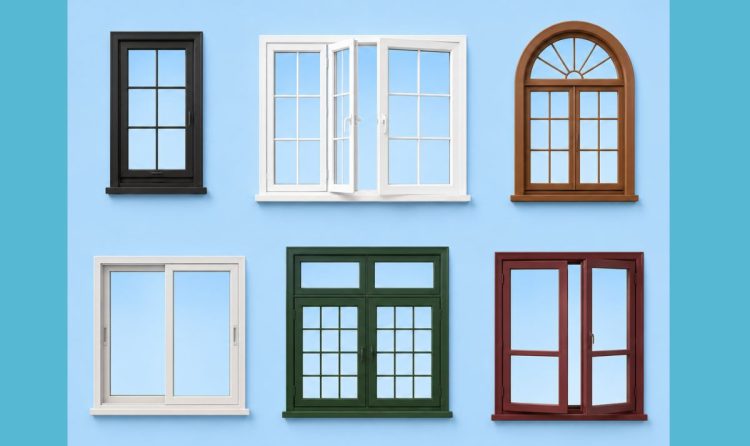
Not all energy-saving windows are the same. Some are better for cold winters, others for cutting noise or keeping costs down. Here are the best options to consider:

Double-Pane Windows
Double-pane windows have two layers of glass with a pocket of air or gas sealed in between. That extra layer slows heat from moving through, which makes a big difference over a single pane of glass. They’re the most popular choice for most homes because they offer solid performance at a fair price.

Triple-Pane Windows
If you live somewhere with harsh winters, then triple-pane windows are worth a close look. As the name says, they add a third layer of glass, with two gas-filled gaps instead of one. This makes them even better at holding in heat than double-pane, though they cost more and are a bit heavier. For mild climates, they may not be the best choice, but they’re ideal for very cold areas.

Low-E Glass Windows
Have you ever noticed how a sunny room can get hot quickly, or how furniture fades near a window? That’s because the sun’s energy passes through the glass. Low-E windows have a thin, invisible coating that helps reflect that energy. This keeps your home cooler in summer and warmer in winter. You can’t see the coating, and it doesn’t darken your view, it just quietly does its job. Today, most energy-efficient windows come with Low-E glass, usually combined with double- or triple-pane designs.

Vinyl-Frame Windows
When it comes to the frame itself, vinyl is what most homeowners go for. It’s a type of plastic that naturally blocks heat, so warmth doesn’t slip through the way it does with old metal frames. It’s also easy to own, you never have to paint it, it handles all kinds of weather, and it costs less than most other frames. The only real downside is the look. Some people feel it doesn’t seem as fancy as wood, but honestly, that’s a small thing when you look at how well it works.
Fiberglass-Frame Windows
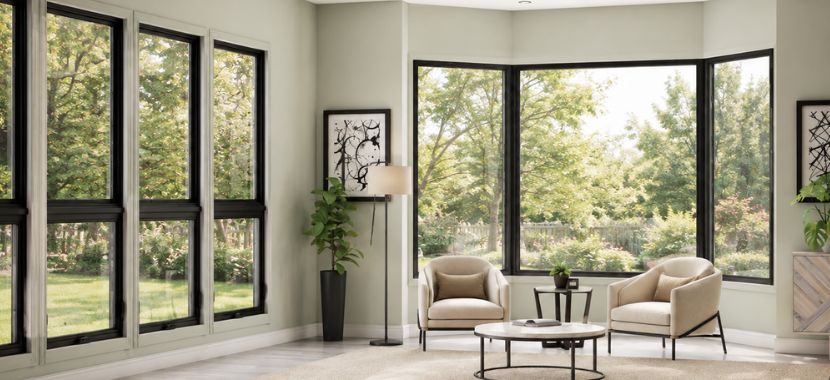
If vinyl is the practical choice, fiberglass is the step up for people who want the best. It blocks heat just as well, but it’s stronger and lasts even longer. It holds its shape in freezing cold or strong heat, without warping or cracking. On top of that, it can be painted, so you’re free to match it to your home’s style. The catch is the price; fiberglass costs more than vinyl. But if you want a frame that will last for decades with almost no upkeep, it’s tough to beat.
Tips for Choosing the Right Energy-Efficient Windows
Picking the right window is easier once you know what to check. Here’s what to look at:
- Look for the ENERGY STAR label: If a window has it, it meets the government’s standards for energy savings in your area. It’s the quickest way to know you’re looking at a solid. You can learn more about the program on the official ENERGY STAR Windows page.
- Check the U-Factor: This tells you how well the window keeps heat in. A lower U-Factor means better insulation and improved energy efficiency.
- Check the SHGC (Solar Heat Gain Coefficient): This tells you how much of the sun’s heat the window lets in. In a hot climate, you want a low number. In a cold one, a slightly higher number can help warm your home.
Getting Energy Efficient Windows Installed in NYC
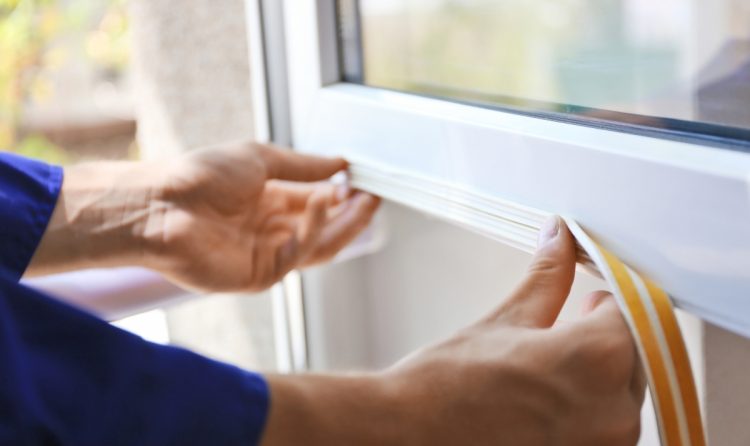
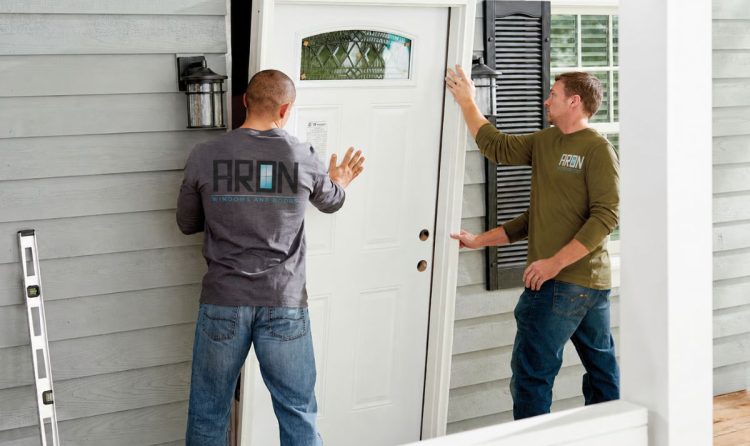
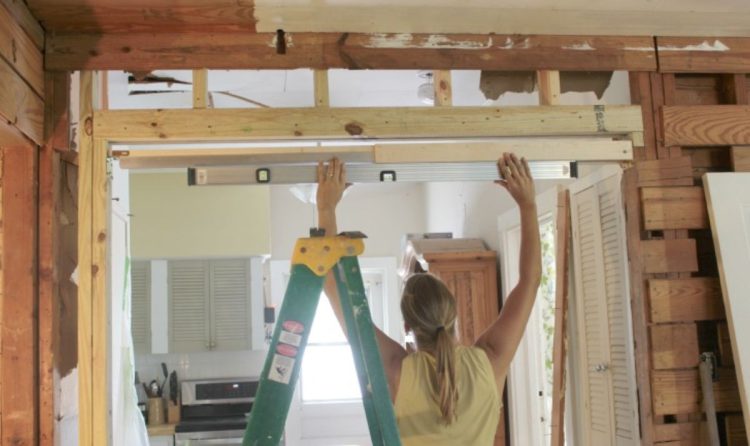
Even the best energy efficient window won’t do its job if it’s not installed right. Small gaps, a poor seal, or a frame that isn’t set level can let air leak through, and just like that, you lose the savings you paid for. So getting the installation right is just as important as picking the right window. A proper fit means no drafts, a tight seal, and windows that actually perform the way they’re supposed to.
If you’re in New York City, this is where Aron Windows & Doors can help. Our window installation services cover all five boroughs, and with over 20 years of experience, we know how to get it done right the first time. We’re licensed, insured, and happy to give you a free quote whenever you’re ready.
Conclusion
By now, you’ve got a good idea of what makes a window energy efficient, which types work best, and what to check before you buy. Ultimately, the best energy efficient windows are the ones that match your home’s design, suit your local climate, and fit your budget.
So whenever you’re ready to upgrade, you’ll know exactly what to look for. And if you’d like a hand replacing your old windows, the team at Aron Windows & Doors is always here to help.