
Maybe you’re thinking about selling your home, or maybe you’re just tired of drafty rooms and want to know if fixing that will pay you back. Either way, you’re probably wondering how windows impact home resale value, and the honest answer involves real numbers, not just a vague “yes, it helps.” Below, you’ll find what the data actually shows, how the return varies by material, and when replacement genuinely makes financial sense.
How Windows Impact Home Resale Value
Windows can make a bigger difference to your home’s value than you might think. Buyers notice how they look, how well they work, and how much light they bring into the home. Here’s what that impact actually looks like:
Better Energy Efficiency
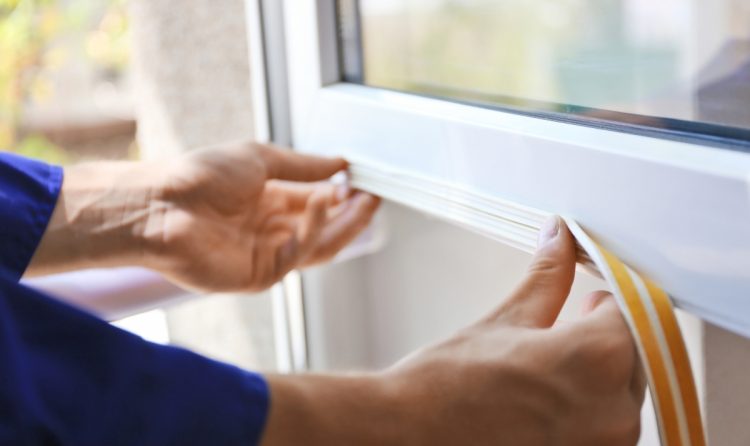
Old and drafty windows can let hot or cold air leak out, which can make your home less comfortable and raise your energy costs. In that case, new windows fix that problem directly, cutting heating and cooling costs by an average of $568 a year. That’s the kind of savings a buyer notices immediately because, for buyers, that means better comfort and lower monthly expenses. If you’re curious what actually makes a window energy efficient, we cover the materials and features that matter most.
Stronger Curb Appeal
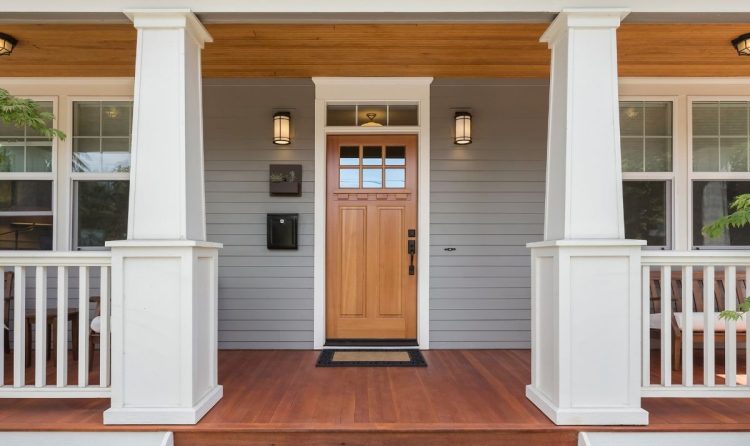
The first thing a buyer sees is the outside of your home, and windows play a bigger role in that first impression than most people expect. Old, foggy, or mismatched windows can make a house look dated, even when the rest of the exterior is in good shape. New windows do the opposite, giving a home a fresh, updated look before a buyer ever steps through the door.
More Natural Light
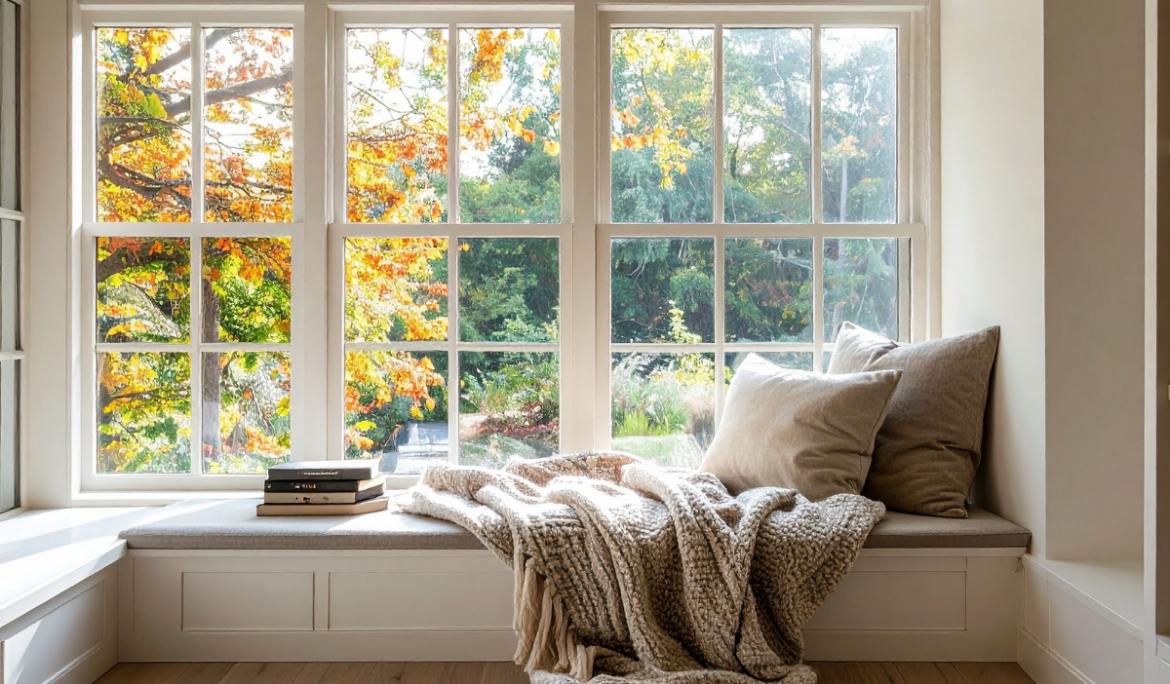
Old windows often let in less light than they should, whether from small panes, discolored glass, or years of grime that never fully comes clean. New windows fix all of that at once, it let in more natural light and can make the whole space feel brighter, cleaner, and more open. That difference shows up in listing photos and can leave a stronger impression on buyers during a home tour.
Fewer Buyer Red Flags at Inspection
Problems like drafts, damaged frames, rotting wood, or broken seals are common items on a home inspection report. Buyers often use those findings to negotiate a lower price or ask for repairs before closing. New windows can help avoid those concerns and make the inspection process smoother.
Faster Time on Market
Homes with updated windows can sell about 8% faster than similar homes with older, outdated windows, according to industry research. It’s usually not because of one thing alone. New windows can improve energy efficiency, boost curb appeal, bring in more natural light, and help make the home feel well cared for during an inspection. All of these benefits can give buyers more confidence and fewer reasons to hesitate.
Vinyl vs. Wood vs. Fiberglass: Which Windows Add More Value?
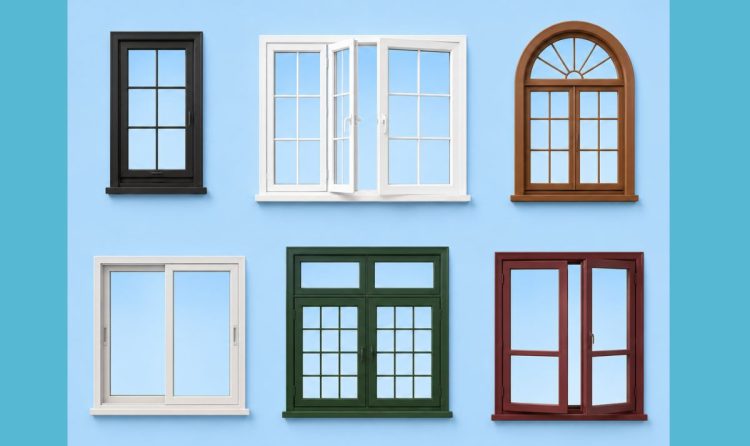
Material choice affects your return just as much as the decision to replace windows in the first place. Here’s how the three most common options actually compare:

Vinyl Windows
Homes with updated windows can sell about 8% faster than similar homes with older, outdated windows, according to industry research. It’s usually not because of one thing alone. New windows can improve energy efficiency, boost curb appeal, bring in more natural light, and help make the home feel well cared for during an inspection. All of these benefits can give buyers more confidence and fewer reasons to hesitate.
Wood Windows
Wood windows return less as a percentage, typically 61% to 70%. Even though wood windows can add good resale value to a home, they also come with a higher upfront price. Because of that, you may spend more money for a similar or even smaller increase in your home’s value compared with other window materials.
Fiberglass Windows
Fiberglass isn’t officially tracked in the Cost vs. Value Report the way vinyl and wood are, but industry estimates put its return around 60% to 70%, similar to wood. It costs more upfront than vinyl, but they offer excellent durability, energy efficiency, and long-term performance. For homeowners who plan to stay in their home for many years, those benefits may be more valuable than getting the highest possible return at resale.
To estimate your own numbers, multiply your project cost by the ROI percentage for your chosen material. A $20,000 vinyl project at 70% ROI, for example, works out to roughly $14,000 in added resale value.
Tip: To estimate your potential return, multiply the total project cost by the expected ROI for your window material. For example, if a vinyl window replacement costs $20,000 and has a 70% ROI, it could add about $14,000 to your home’s resale value.
Final Thoughts
You’ve seen how windows affect resale value, from energy savings and curb appeal to a smoother inspection and faster sale. You also know how the return varies depending on the material you choose. If you’re considering window replacement in New York City, Aron Windows and Doors can help you choose the right option for your home. We have done this kind of work across New York City for over 20 years, so reach out online to talk about your vb window replacement project and request a free quote.