In places like New York City where homes often have unique layouts, older door openings, and changing weather conditions, careful planning can make the installation process much smoother. That is why understanding door installation tips for NYC homes can help you to avoid common problems and complete the project the right way.
In this blog, you will learn how to prepare for Door setup, measure the opening, check the frame, choose materials that work best for NYC weather, follow proper setup tips, avoid common mistakes, and decide when to hire a professional door installer in NYC.
How to Prepare for Door Installation in an NYC Home
The right preparation will help you to avoid poor fitting, air leaks, and extra repair costs later. This matters even more in NYC homes, as many homes have older structures and tight spaces. A few simple checks before you start can make everything easier. Some of the most important steps are given below:
Step 1: Measure the Door Opening Before Buying a Door
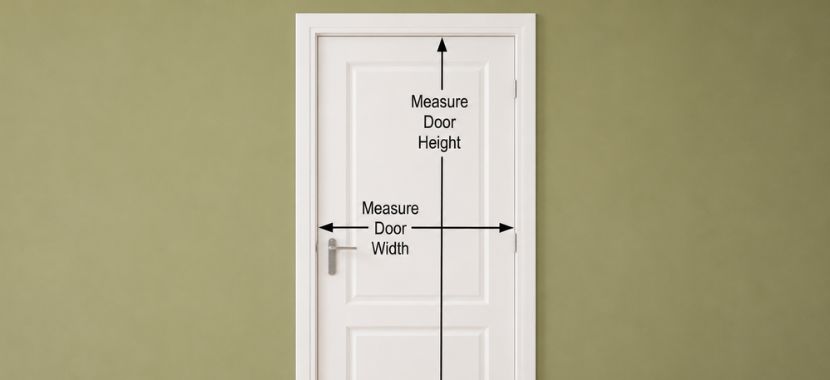
You should always measure the door opening before you buy a new door. This will help you to choose the right size and avoid fitting problems later. For that, start by measuring the width from side to side. Then measure the height from the top of the opening to the floor. You should also check the frame depth, especially if you are buying a pre-hung door.
Tip: Do not rely on one measurement only, as many NYC homes have older walls and uneven openings. Measure the top, middle, and bottom of the opening to get a more accurate size.
Step 2: Check the Door Frame for Damage
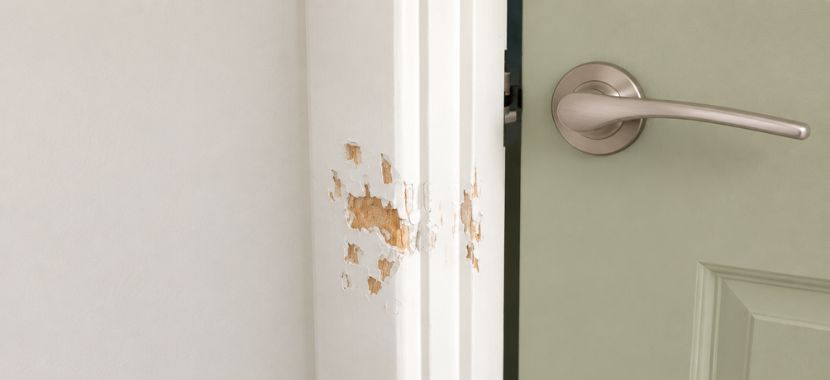
Once you finish measuring the opening, then check the door frame carefully. The frame holds the door in place, so it must be strong and even. Cracks, soft wood, rust, water stains, loose trim, or bent areas may mean the frame is weak. This is important in many NYC homes because older frames can wear down over time. Moisture, weather changes, and daily use can all affect the frame. If the frame is not in good condition, the new door may not close properly. It may stick, leave gaps, or make the lock hard to use.
If the damage is serious, a basic repair may not be enough. In that case, this guide on how to replace a door frame can help you to understand what needs to be fixed before the new door is installed.
Step 3: Pick a Door Material That Handles NYC Weather
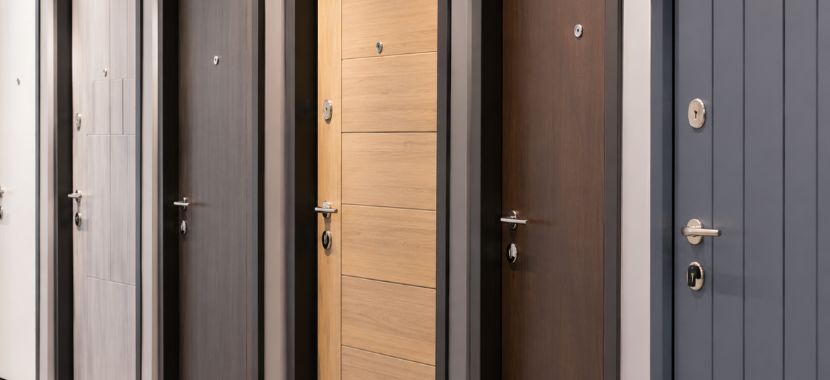
After checking the frame, you should think about the door material. The frame gives the door support, but the material affects how well the door handles daily use and NYC weather. NYC weather can be rough throughout the year. That means your door may face rain, snow, humidity, summer heat, and cold winter air. That is why, before choosing a material, it is also important to understand the different types of doors for the home, as each style can affect durability, security, and daily usage. If the material is not right, the door may swell, rust, crack, or lose its seal over time.
Tip: You should choose a door material that fits your home and your budget. Once you have the right size, a solid frame, and the right material, you can move into the installation steps with more confidence.
Door Installation Tips for NYC Homes
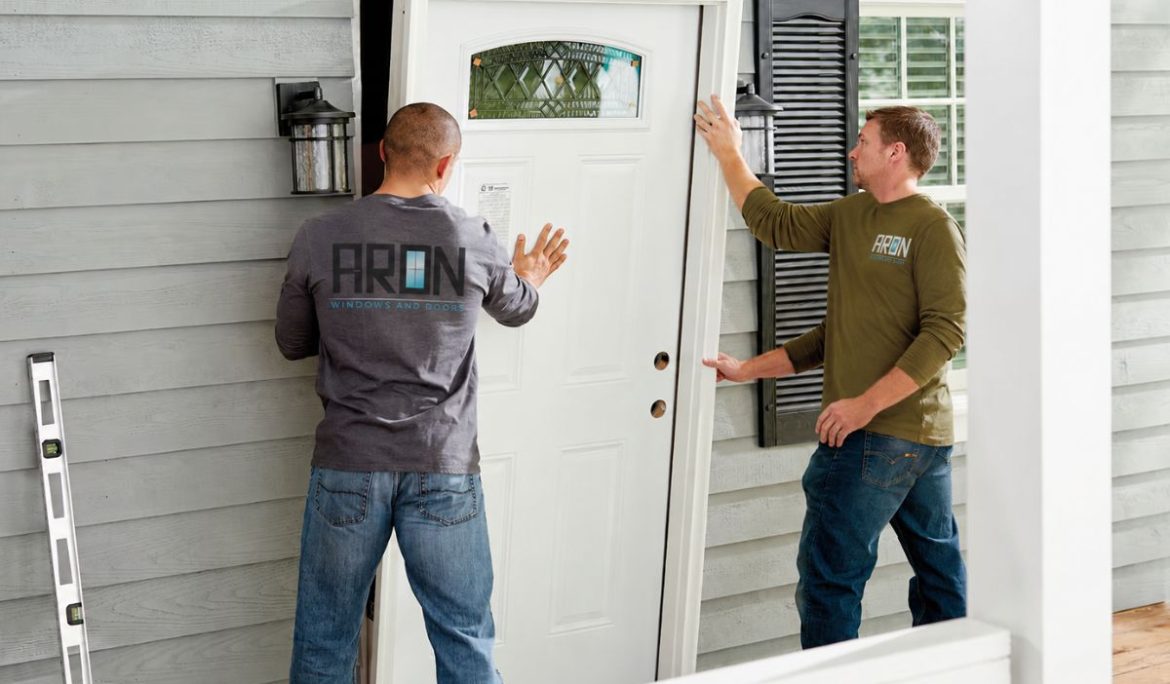
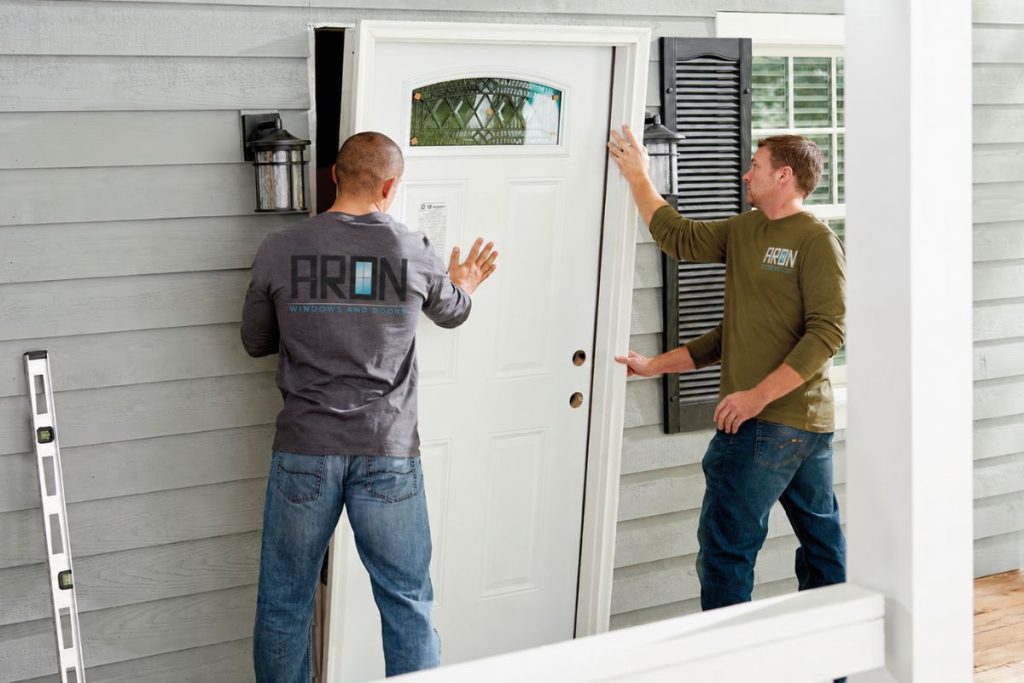
After the preparation is done, the next step is the actual setup. This part needs proper attention because even a small mistake can affect the door later. In NYC homes, the job can be more challenging. Older openings, daily use, and changing weather can all create extra pressure on the door. That is why each step should be done with attention from the start. To help you get a better result, follow this important door installation guide for NYC homes:
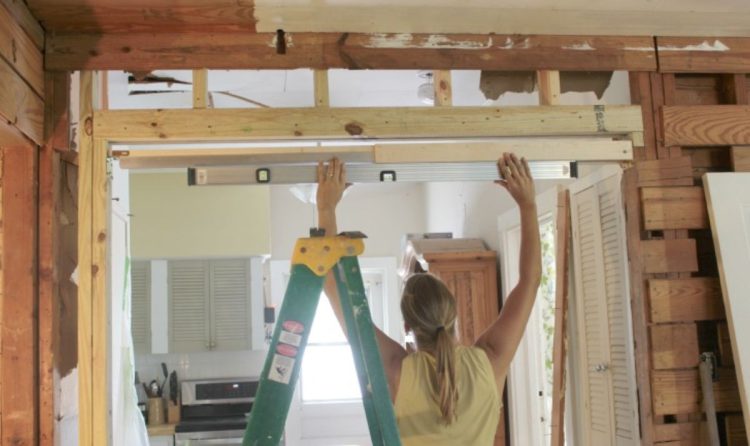
- Make Sure the Door Fits Level and evenly: The door should sit straight in the frame before you tighten the hinges. You should check it with a level to make sure it is not leaning. If the door is not even, it may stick, drag on the floor, or leave gaps around the sides. When the door fits straight, it closes smoothly and helps keep outside air from coming in.
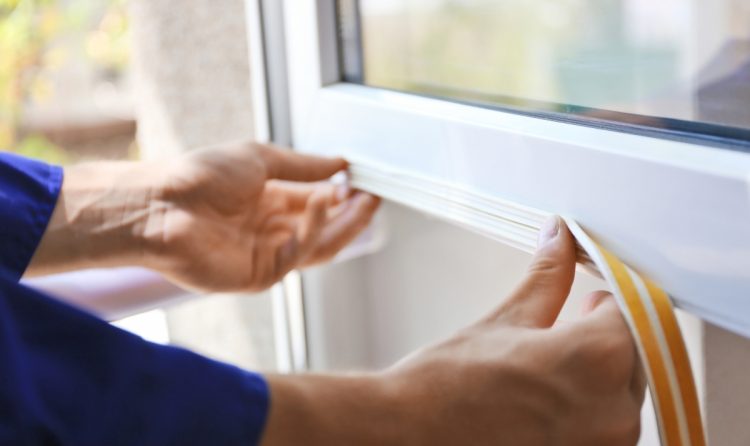
- Add Weatherstripping to Stop Drafts: After the door fits straight, check the edges for air leaks. This helps keep the air out between the door and the frame. This can stop cold air, dust, and moisture from coming inside.
- Seal Gaps Around the Door Frame: After adding weatherstripping, look for any small gaps around the door frame. These gaps can let in air, water, insects, and outside noise. If you find any gaps, then seal them with the right caulk or foam. A tight seal helps protect your home and keeps the door area more comfortable.
- Use Strong Hinges, Locks, and Handles: After the door is sealed, make sure the hardware is strong. The hinges hold the door in place, so they should not feel loose or weak. The lock should close tightly, and the handle should turn smoothly. Strong hardware helps the door to work better and keeps your home more secure.
- Test the Door Before Finishing the Job: After the hardware is installed, test the door a few times. To make sure everything works well, open, close, and lock it. The door should not stick, scrape the floor, or need force to close. This last check will help you to find small issues quickly,
Common Door Installation Mistakes to Avoid
Many door problems start with small mistakes that are easy to miss. In NYC homes, one wrong step can lead to drafts, sticking, weak security, or early wear. You can avoid these issues by knowing where most placement problems begin. The points below cover the most common Door setup mistakes people usually make and how to prevent them.
- Buying the Wrong Door Size: The wrong size can leave gaps or make the door hard to close, so measure the opening carefully before buying.
- Installing a New Door on a Damaged Frame: A weak or damaged frame can make the new door sit unevenly.Therefore, always check for cracks, rot, or loose areas before starting the implementation.
- Leaving Gaps Around the Door: Even small gaps can let in cold air, rain, noise, and pests. Seal around the frame properly to improve comfort and protect the home.
- Using Weak or Cheap Hardware: Low-quality hinges, locks, and handles can wear out quickly. To prevent it, use strong hardware so the door stays secure and works smoothly.
Need Help With Door Installation in NYC?
A successful door fitting depends on more than the door itself. The frame, sealing, hardware, and final alignment all play a major role in how well the door performs. In NYC homes, these details matter even more because older openings and changing weather can create extra challenges.
If you are searching for door installation near me or want the job done with care, Aron Windows and Doors can help with professional door installation in NYC. Their team can make sure your door fits properly, seals well, and works smoothly for daily use. Along with installing doors, they can also fix or replace doors if needed.
Final Thoughts
A good door placement is not only about placing a door in the opening; in fact, it is also about making sure your home feels safer, warmer, and easier to maintain after the work is done. By following these door installation tips for NYC homes, you can avoid poor fitting, air leaks, weak hardware, and other problems that often lead to extra costs.
Anytime you need reliable window and door services in New York City, Aron Windows and Doors is here to help. With the right team, your new door can feel secure, look polished, and be built for everyday use in the city.