A small measuring mistake can lead to gaps, delays, and extra costs. That’s why it is very important to know how to measure windows for replacement correctly. In this post, you’ll learn how to measure the window opening from the inside. You’ll also see the tools you need and the common mistakes to avoid. By the end, you’ll have measurements you can trust before you order a replacement window.
Tools You’ll Need to Measure Your Window
Before you measure a window for replacement, you need to gather a few basic tools. These tools will help you to take accurate window measurements and note window frame measurements without confusion or mistakes. Here’s what you should have ready before you start measuring:
- Tape measure: Use a sturdy metal tape measure for windows. It gives clear and reliable window-opening measurements.
- Notepad or phone: Write every number down as you measure. This helps you track replacement window measurements correctly.
- Pencil or marker: You can keep track of which measurements go with which windows by writing or labelling them.
- Step stool: A step stool makes it safe to measure windows, especially ones that are high or hard to get to.
- Level (optional): This helps you check if the window frame is straight before ordering new windows.
- Flashlight (optional): When you’re measuring, a flashlight will help you to see in the dark parts of the frame.
Step-by-step Instructions on How to Measure Windows for Replacement
Measuring sounds simple, but small mistakes can lead to the wrong fit. This window measurement guide shows you how to measure for replacement windows the right way. You’ll take careful readings, write them down the right way, and avoid the common slip-ups that cause wrong orders. Once you’re done, you’ll have clear replacement window measurements. Now let’s break it down into 5 simple steps below:
1. The Golden Rule: Measure 3 Times, Use the Smallest Number
Window openings are not always even. Frames can shift over time. That’s why you should measure each spot three times and write every number down. Then use the smallest one and remember the new window must fit the narrowest spot.
2. Measure the Width (left / middle/right)
Start by measuring the width of the window opening from the inside. Place your tape measure against the inside edge of the frame on one side and stretch it straight across to the inside edge on the other. Always avoid measuring the trim because it can make the opening look wider than it really is.
Once the tape is in place, make sure it stays straight and level across the opening. Then take three measurements—one on the left, one in the center, and one on the right.
3. Measure the Height (top/middle/bottom)
Next, measure the height of the opening. Start by placing your tape measure at the top inside edge of the frame, then pull it straight down to the sill.
After you take the first number, do the same thing in two more places so you don’t miss a slight difference in the opening. Measure on the left, then in the middle, and then on the right. Write each number down as you go so you don’t mix them up. When you’re done, look at the three numbers and use the smallest one as your final height.
Use this format: Width × Height. For example: 35 3/4″ × 59 1/2″. It also helps to note the room name, like “Front Bedroom,” next to the numbers.
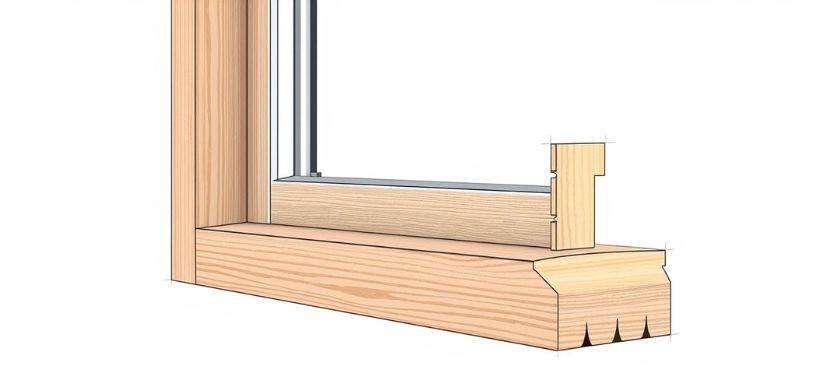
4. Measure the Depth (jamb depth for insert replacements)
This step is most important for an insert replacement window because the new window has to fit inside the existing frame.
To get this frame depth measurement, place your tape measure inside the window frame and measure from the front edge of the jamb straight back to the window stop. Keep the tape flat against the surface so that you get accurate window measurements.
Write the number down right away with your width and height. If the jamb depth is too shallow, the insert replacement window may not fit properly, which can cause problems during installation.
5. Check for Square (measure diagonals + what it means)
Now check if the window opening is square or not. This will help you know if the new window will sit evenly in the frame.
To do this, measure the diagonals inside the opening. Start at the top-left corner and measure down to the bottom-right corner. Then measure from the top right corner to the bottom left corner.
Write both numbers down and compare them. If the two diagonal measurements match, the opening is square. If they don’t, the opening is out of square, and the window may need extra adjustment during installation.
After you have your measurements, the next step is deciding who will handle the work. If you’re hiring a pro, take a minute to review what to look for in a window repair company before you book anyone.
Common Measuring Mistakes to Avoid
Some small mistakes can throw off your measurements for new windows, even if you know how to do it correctly. It will help to avoid the window repair cost. In fact, these tips will help you spot common window measuring mistakes, so look for these usual problems before you start measuring:
- Measuring the trim instead of the actual window opening: Trim can make the window seem bigger than it is. Always measure from the inside edges of the frame, not the trim.
- Rounding numbers the wrong way: Don’t “guess”. Write what the tape measure actually says.
- Don’t pick the biggest number: Your new window has to fit the tightest spot, so go with the smallest measurement.
- Don’t ignore depth: Depth matters for insert replacements. If the frame isn’t deep enough, the window may not sit correctly.
- Assuming every window is the same size: Don’t assume matching windows match. Even if two windows have the same look, they may differ by 1/4“. So measure each one independently.
Final Thoughts
Knowing how to measure windows for replacement gives you the best chance of getting a window that fits the first time. It saves your time and helps to you avoid extra costs later.
But if you want a measure from a pro or you need window repair or replacement service, then contact us. We’ll help you to choose the right solution and make sure your windows fit.