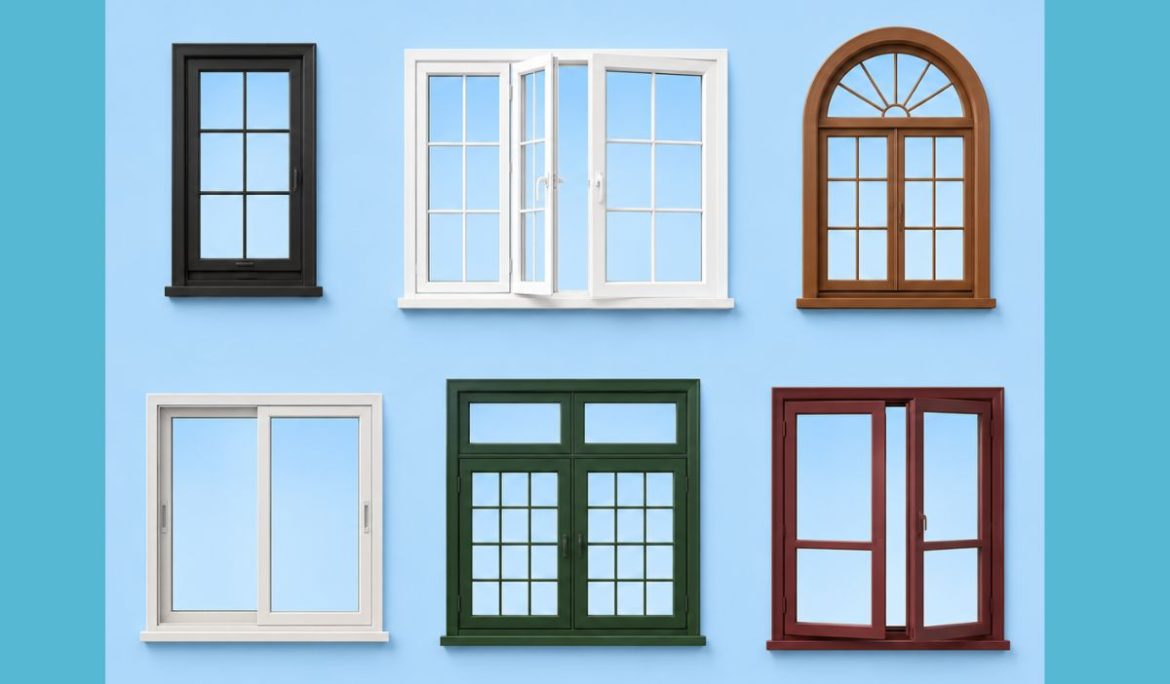
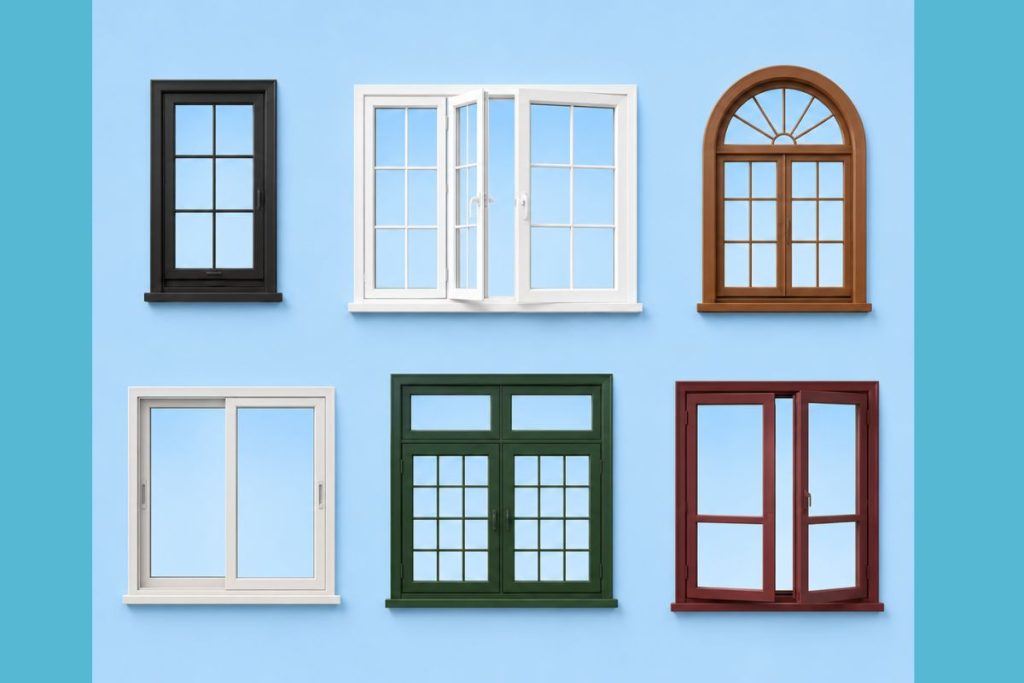
Each window type is designed differently, which means the right choice usually depends on the layout, function, and overall design of the space. This is why knowing about the different types of windows will help you to choose a style that works well for your home. The right window improves how a room looks, feels, and functions. It also beautifully supports the overall design of the property.
In this guide, you will learn about the most common window types, how to choose the right type of window for your home, and what to consider before making a final decision.
Different Types of Windows for Homes
Windows are an important part of every home. They bring in sunlight, fresh air, and outdoor views. They also help your home feel more open and comfortable. But not every window works the same way. Some windows open wide for better airflow. Some are made to bring in more light. Others are used in small spaces where a regular window may not fit.
That is why you should know about the different types of windows for houses. From there, you can choose a window that fits the room. To make your choice easier, let’s look at the most common window styles:
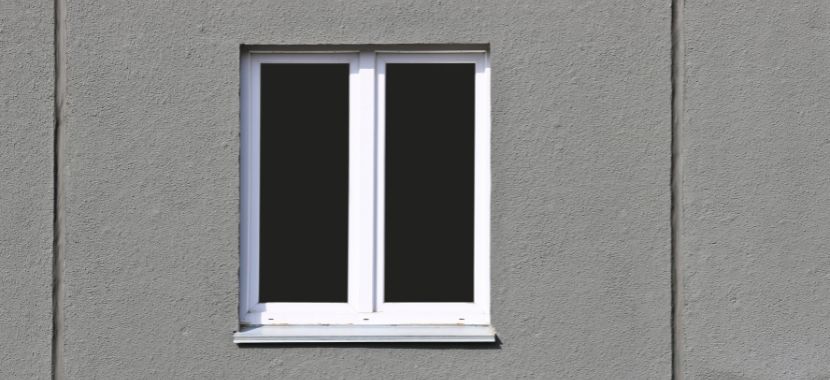
1. Double-Hung Windows
Double-hung windows are one of the most common residential window styles used in homes. They have two sashes that move up and down, which makes them simple to use in everyday rooms. This window style gives you good control over fresh air. You can open the lower sash to let air in, or the upper sash to let warm air out. This is helpful in bedrooms, living rooms, and other spaces where you want steady airflow.
They can also be an ideal choice for families. If you have small children at home, you may open the top sash while keeping the lower sash closed. This can bring in fresh air while keeping the lower part of the window less accessible.
Overall, double-hung windows are a good choice if you want a classic style, easy cleaning, and flexible airflow for daily use.
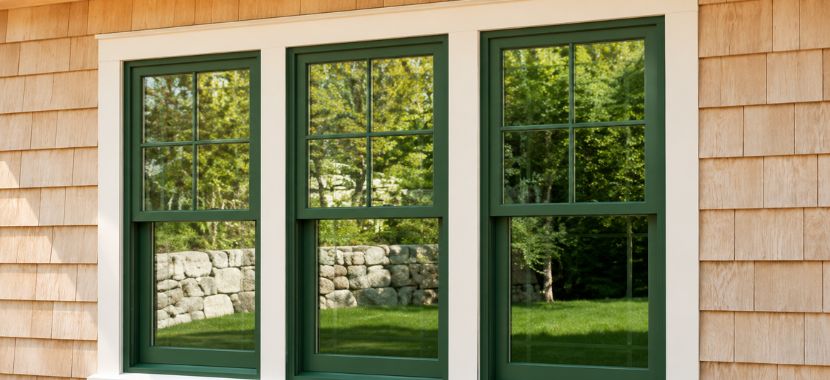
2. Single-Hung Windows
Single-hung windows look similar to double-hung windows, but they have one key difference. Only the lower sash opens, while the upper sash stays fixed. Because of this simple design, they work well in rooms where basic airflow is enough. You can use them in bedrooms, hallways, guest rooms, or other areas that do not need extra ventilation from the top.
Many homeowners choose single-hung windows because they are usually more budget-friendly. For a classic look and a lower cost, single-hung windows are a good choice for your home.
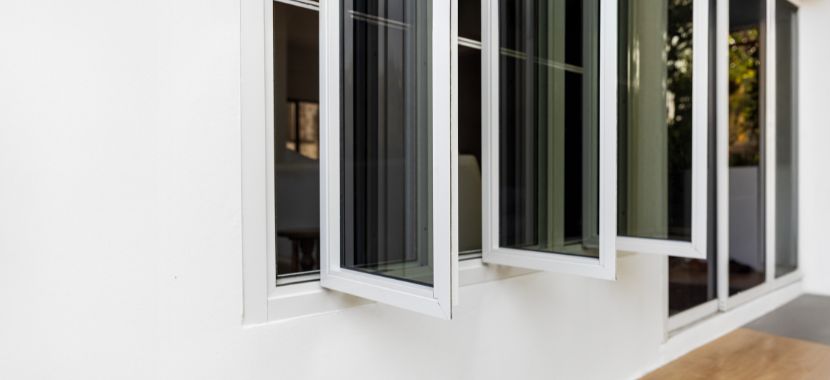
3. Casement Windows
Casement windows are hinged on one side and open outward with a crank handle. Since the whole window opens, they can bring more fresh air into the room than some other window styles.
This makes them useful for kitchens, bathrooms, bedrooms, and other rooms where airflow matters. They are also easy to open, which is helpful in spots like above a kitchen sink or counter.
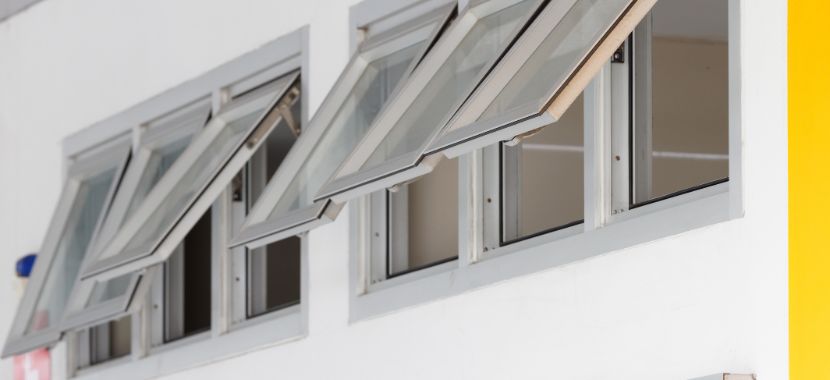
4. Awning Windows
Awning windows work well in rooms where privacy matters, such as bathrooms, basements, and laundry areas. It does need clear space outside, which is why they may not be the best choice near a walkway, porch, or narrow side area. They are hinged at the top and open outward from the bottom. When open, the glass sits at an angle, which can help keep light rain away from the opening.
This design also makes them useful in small spaces. You can place them higher on the wall to let in air without using a large window opening.
5. Sliding Windows
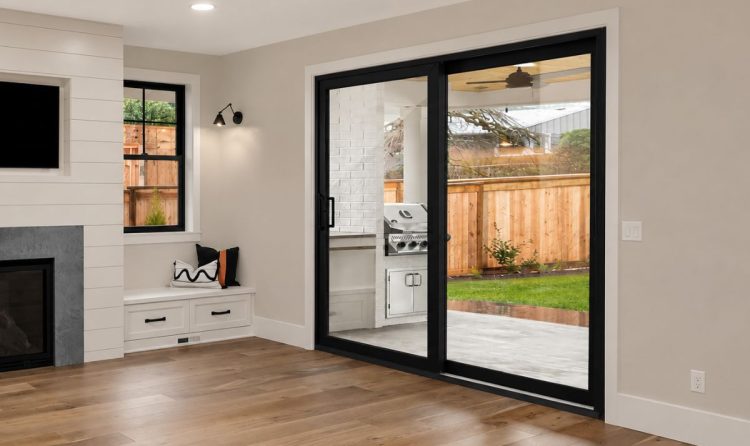
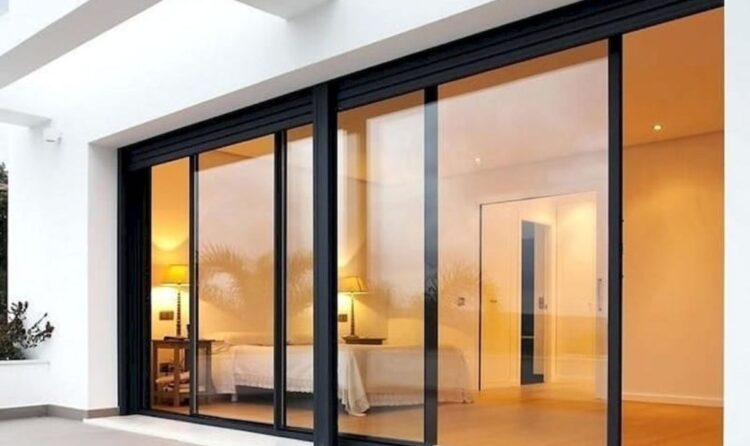
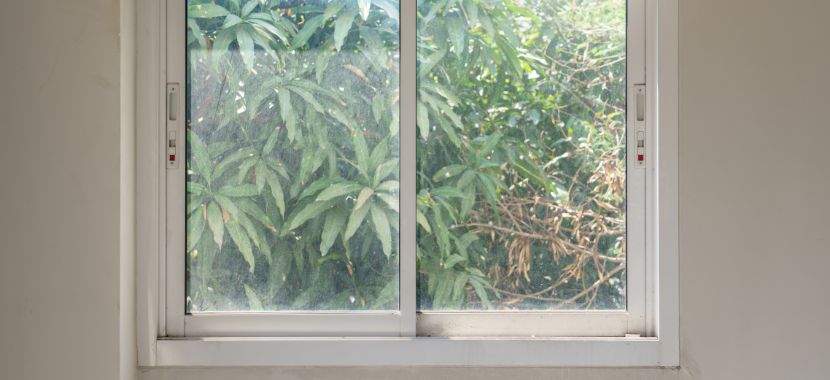
Sliding windows open from side to side on a track. It is easy to use them because they don’t move up and down. This style works well in rooms with wider wall openings. Normally, you may see sliding windows in bedrooms, living rooms, and modern home layouts.
Because they slide within the frame, they do not need extra space to open inward or outward. This makes them useful near patios, walkways, or tight outdoor areas. Remember, the track should be cleaned from time to time because dust and dirt can build up.
6. Picture Windows
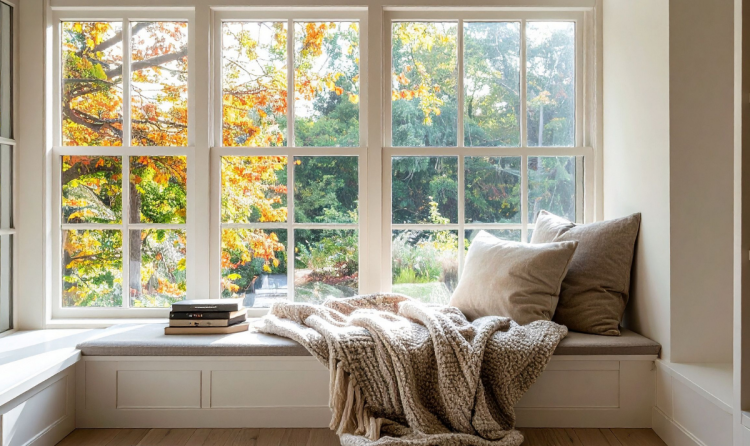
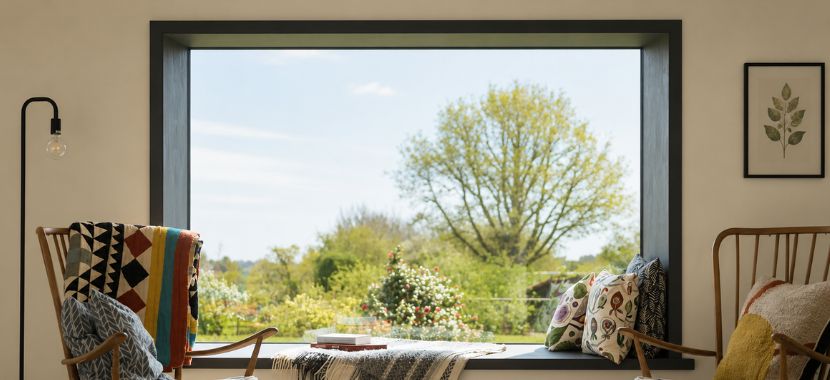
Picture windows, also called fixed windows. They don’t open, but they do an amazing job of letting the sunshine in. They do not open, so they work best in rooms where another nearby window can provide fresh air. You will often see them in living rooms, dining rooms, stairways, and other spaces that face a nice view.
In addition, they look good with the windows open. For example, you can place a picture window in the center and use casement or double-hung windows on the sides for airflow.
7. Bay Windows
A bay window is a window that can make a room feel bigger without building a full extension to the house. It pushes outward from the wall and usually has three window sections.
Many homeowners use bay windows in living rooms, dining areas, or front rooms because they bring in light from more than one angle. This can make the space feel brighter during the day. Bay windows also add character from the outside. They can make the front of a home look more finished and welcoming. The main thing to get right is installation, as the window extends outward, it needs strong support and proper sealing to help prevent drafts or water issues.
8. Bow Windows
Bow windows are similar to bay windows, but they have a more curved shape. They usually have four or more window panels that form a smooth curve. This design gives the room a wider view and brings in light from different angles.
It works well in living rooms, sitting areas, and larger front rooms. How windows can also make a home look more elegant from the outside. From the inside, they can make the room feel brighter and more open. They do need enough wall space because they are usually wider than bay windows. They also need careful installation so the frame is supported and sealed properly.
9. Garden Windows
Garden windows are often used in kitchens. They stick out from the wall and make a small glass shelf inside the home. That small shelf is helpful if you like keeping plants or herbs near sunlight. Many people place garden windows above a kitchen sink, where the extra space can hold plants like basil, mint, or small flowers.
10. Hopper Windows
If you have a small room, hopper windows are a good choice because they don’t feel too big. It is normally used in basements, bathrooms, laundry rooms, and utility areas.
They are hinged at the bottom and open inward from the top. This lets fresh air come in without needing a tall or wide wall opening. They can bring in some light and airflow, even when the wall space is limited.
Remember, before choosing this style, you should always check the space inside the room, as hopper windows open inward, boxes, shelves, or furniture can get in the way. One more thing to know is safety. If the window is for a basement bedroom or emergency exit, a standard hopper window may not be enough.
11. Skylight Windows
Skylights are built directly into the roof rather than the wall. It’s a great way to brighten up dark rooms while keeping your wall space completely free. They are often used in rooms where regular wall windows are not enough. You can use them in attics, bathrooms, kitchens, hallways, and upper-floor rooms.
A skylight needs careful installation. For that, the frame must be sealed well, and the flashing must be placed correctly. Poor installation can lead to water leaks during rain. You should also think about sun exposure. If the skylight gets strong sunlight for many hours, the room may become warmer.
12. Specialty Shape Windows
To complete the list, specialty-shaped windows are worth mentioning because they are made for both light and design. These windows are different from regular square or rectangular windows because they come in unique shapes.
Specialty shape windows can be round, arched, triangular, half-circle, or custom-designed. They are often used to improve the look of a home and make the exterior more attractive. You can place them above doors, near stairways, in high-ceilinged rooms, or on front-facing walls. Most specialty-shaped windows do not open. Their main purpose is style and light, not airflow. If you need ventilation, you can pair them with other window types, such as casement, double-hung, or sliding windows.
Warning: Many specialty-shaped windows are custom-made, which is why accurate measurements are important. Even a small mistake can lead to fitting problems or extra costs.
How to Choose the Right Type of Window
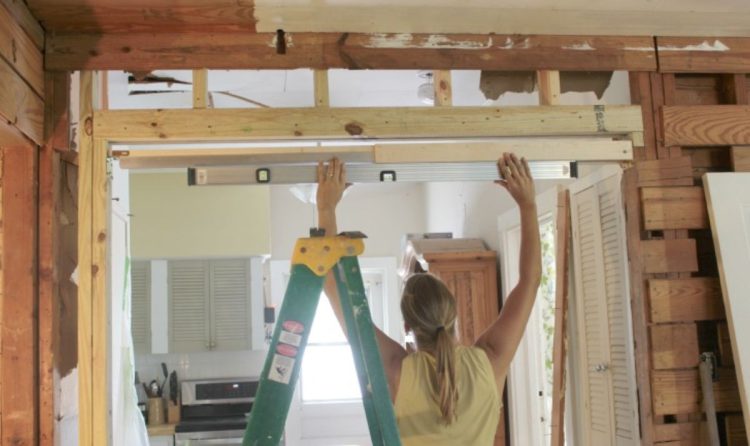
Windows should do more than just look good; they should also work along with how you live. Some spaces need more airflow, while others need better daylight, privacy, or a wider outdoor view. Before choosing a window, you should know the window measurements guide properly to prevent mistakes. Once you understand the basics of measuring a window, you can focus on other important factors such as room size, wall space, cleaning access, insulation, and overall appearance. It also helps to think about daily use. For example, a window in a busy kitchen may need to open easily, while a bedroom window should support comfort, quietness, and privacy.
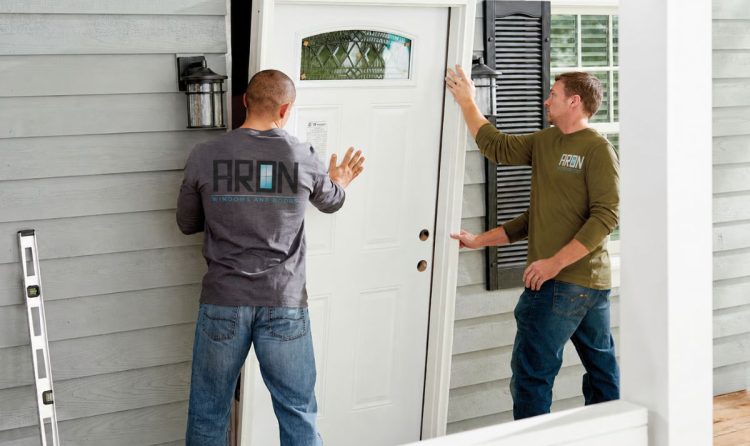
In smaller areas, the opening style matters because some windows need extra space to swing outward or inward. Once you have a window style in mind, professional window installation and replacement services can help you to make sure the window is measured, fitted, and installed correctly.
Final Thoughts
Now you know the main types of windows and how each one can improve your home in a different way. Some windows are better for airflow, some bring in more natural light, and others add style, space, or a better view.
Once you understand what each window does best, it becomes easier to choose the right option for your room, budget, and home design. And when the right style is selected, proper installation is the next step to make sure the window fits well and performs as it should.
For reliable window installation, window replacement, or window and door support, you can contact Aron Windows and Doors. They’ll handle all the heavy lifting and technical details, so that you can just sit back and enjoy your beautiful new view!