Choosing the right windows for your home might seem like a small decision, but it can actually make a big difference. Whether you’re renovating, replacing old windows, or building from scratch, making the right choice will not only improve comfort but can also save you money in the long run.
In this guide, we’ll help you choose the best windows for home renovation. We’ll go over the main things to look at, like energy efficiency, materials, window styles, and safety features. By the end, you’ll know what to look for and what may work best for your home and budget.
What Are the Best Windows for Homes?
The best windows for your home depend on more than just appearance. Performance, material, and design all play an important role in finding the right fit. Below, we’ll look at these factors in more detail:
1. Energy Efficiency
Energy-efficient windows are one of the best upgrades you can make for your home. Not only do they help keep your space more comfortable, but they can also lead to significant savings on your heating and cooling bills.
Triple-pane windows
Triple-pane windows have three layers of glass. These layers create extra insulation and reduce heat loss. This helps keep warm air inside during winter and blocks heat during summer.
Homeowners can save up to $500 per year on energy costs, especially in colder climates where heating is a major expense. These windows also provide better soundproofing and help protect your furniture from UV damage.
Low-E glass
Low-emissivity glass, also called Low-E glass. It has a special coating on the surface. This coating reflects heat back into your home during cold months. In warmer months, it helps block heat from entering the house.
Low-E glass also filters harmful UV rays. This helps prevent fading on floors, carpets, and furniture.
Argon or Krypton gas fill
Energy-efficient windows often contain argon or krypton gas between the glass panes. These gases are denser than air. They slow down heat transfer and improve insulation.
When gas fills are combined with double or triple panes, they make windows much more energy efficient.
2. Materials
The material of a window affects how strong it is, how well it insulates your home, and how much maintenance it needs. Different materials offer different benefits. Some focus on durability, while others focus on energy efficiency or appearance. Here’s a quick breakdown of the most common window materials
Vinyl Windows: Vinyl windows are one of the most popular choices for homeowners. They are affordable and require very little maintenance.
What’s Good About It:
- They are budget-friendly.
- They do not need painting or sealing.
- They provide good insulation for most climates.
Things to consider
- Vinyl windows can expand or warp in extreme temperatures. They also come in fewer colors and style options compared to wood or fiberglass.
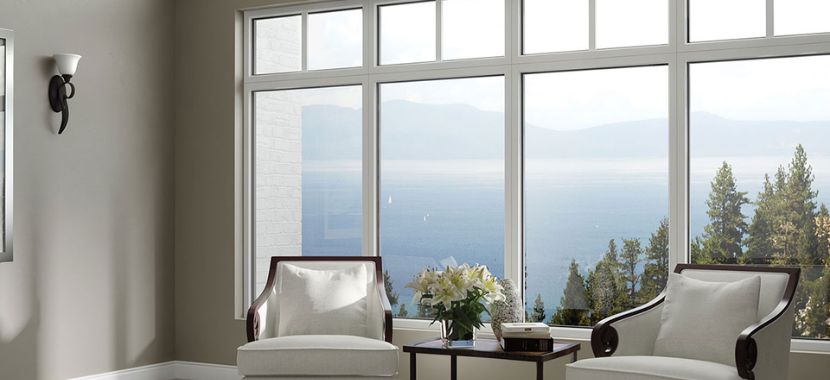
Fiberglass Windows: Fiberglass windows are known for their strength and long lifespan. They work well in areas with extreme weather.
What’s Good About It:
- Very durable and resistant to warping.
- Excellent insulation for hot and cold climates.
- Expand and contract very little with temperature changes.
A Few Things to Keep in Mind
- Fiberglass windows usually cost more at the start. Also, there may not be as many color choices.
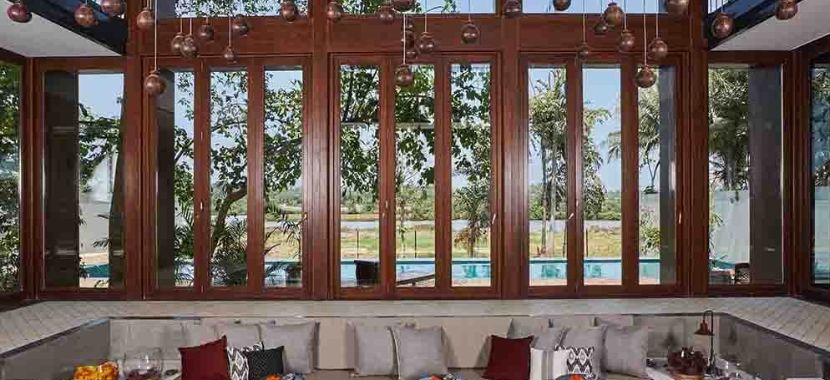
Wood Windows: Perfect for homeowners who love a classic look and natural materials.
Wood windows offer a classic and natural appearance. Many homeowners choose them to add character to their homes.
What’s Good About It:
- Beautiful and timeless design.
- Natural insulation properties.
- Great for traditional or historic homes.
A Few Things to Keep in Mind
- Wood requires regular maintenance. Over time, you may need to paint or seal it to prevent water damage.
Aluminum Windows: Aluminum windows are strong and modern. People often use them in modern homes or plans for lots of windows.
What’s Good About It:
- Sleek and modern appearance.
- Strong frames that support larger windows.
- Low maintenance compared to wood.
A Few Things to Keep in Mind
- Heat is easily conducted by aluminum. Therefore, unless it has a thermal break, it might not insulate as efficiently as fiberglass or vinyl.
If you want affordable and low-maintenance windows, vinyl is a reliable choice. If your home faces extreme weather, fiberglass offers better durability and insulation. Wood windows are ideal for classic-style homes, while aluminum works well for modern designs.
3. Security & Durability
Along with energy efficiency and materials, security and durability also matter when choosing the right windows for your home. A good window should protect your space and hold up well over time. Impact-resistant windows use laminated glass that stays together even if it cracks, which helps during storms and makes forced entry harder.
Multi-point locking systems add another layer of protection by securing the window at several points. Strong frame materials like fiberglass, vinyl, and aluminum also help because they resist moisture, warping, and everyday wear. So, for a safer window, you should consider these factors.
4. Window Styles
The style of a window affects how it looks and how it performs in your home. Some styles improve airflow, while others bring in more light or create a better view.
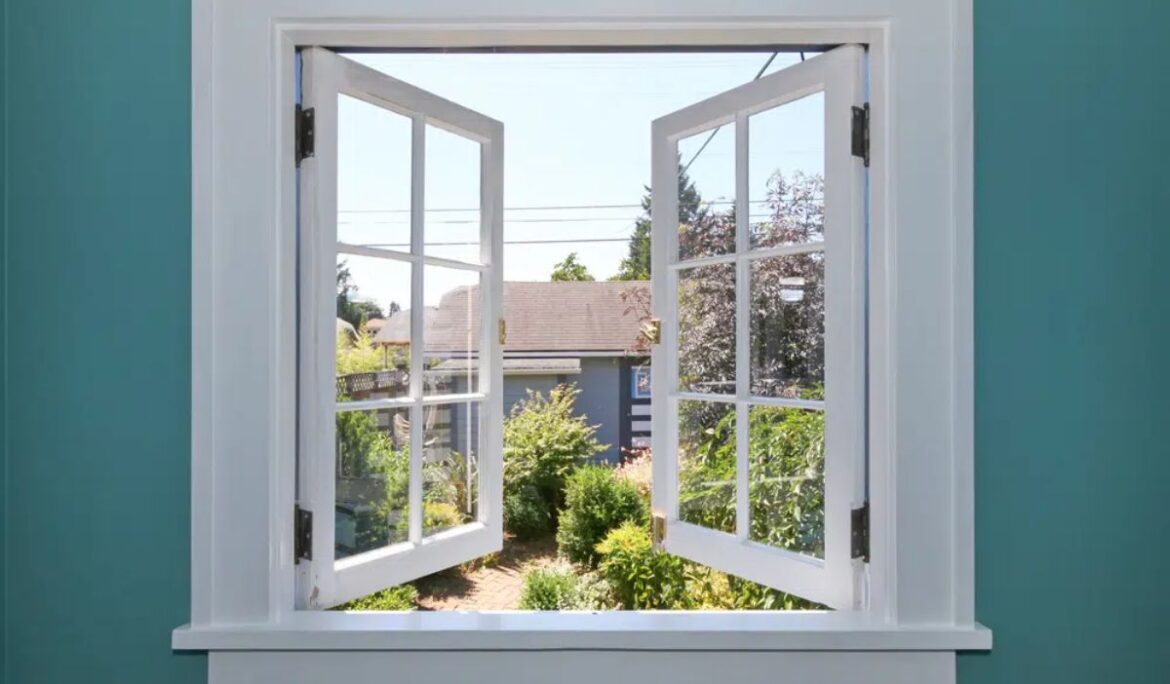
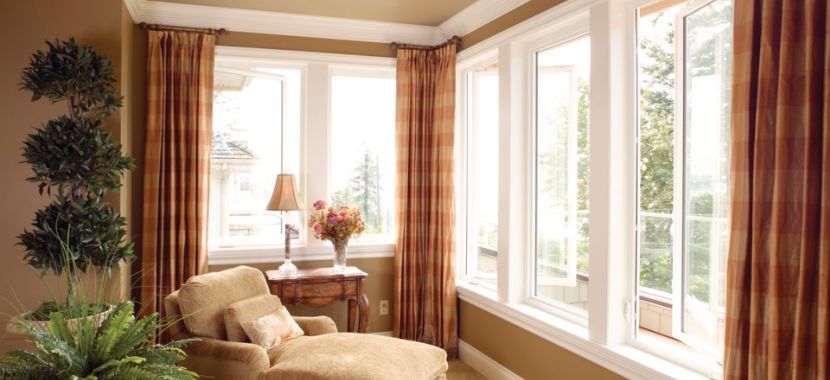
Casement windows: If ventilation is important, casement windows are a strong option. They open outward and let in more fresh air. This makes them an ideal choice for kitchens, bathrooms, and bedrooms.
Picture windows: These are best for spaces where the view matters most. Picture windows are often used to frame views of the outside, as they do not open. It’s perfect for places where plenty of natural lights available, such as living rooms and front-facing spaces.
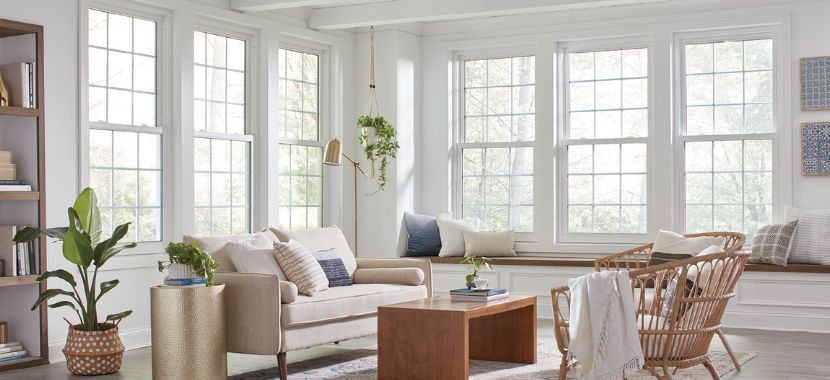
Double-hung windows: Many homeowners choose this style because it is simple, versatile, and easy to maintain. Both sashes can move, which helps with airflow and cleaning. They also fit well with traditional and modern homes.
How to Choose the Best Windows for Home Renovation
Choosing the right windows takes more than picking a style that looks good. The right choice depends on several factors that affect comfort, efficiency, and long-term value. Here are a few important things to keep in mind:
- Assess Your Home’s Climate: Choose windows based on your climate, because colder areas need stronger insulation while warmer areas need better heat protection.
- Define Your Budget: Energy-efficient windows might have a higher upfront cost, but they offer long-term savings on heating and cooling. For example, Low-E windows can reduce energy bills by up to 15-20% annually.
- Match Style and Functionality: Choose window styles that match your home’s design while also providing the right balance of light, airflow, and comfort.
Other Guides
- Different Types of Windows
- How to Repair Crank-Out Windows
- How to Fix Screws on Vinyl Windows
- How to Clean Window Screens
- How to Winterize Windows
Final Thoughts
In the end, the best windows for homes are the ones that truly fit your home’s needs. When the right features come together, they not only improve the look of your home but also add comfort and long-term value. With the right choice, you can enjoy better performance for years to come. For expert guidance and quality window solutions, you can contact Aron Windows and Doors.